
How to Avoid Allergies for Sensitive Skin?
Wearing jewelry can be a genuine pleasure, but for some individuals, it can also lead to unpleasant allergic reactions.
Aurelia
17 December 2024 · Updated on 12 November 2026
Nickel allergy affects approximately 14.5% of European adults, and more than one in five women, according to the EDEN study published in 2018. This metal, present in many alloys, is the leading cause of jewelry reactions. For sensitive skin, prioritize 18-carat gold, platinum or titanium, and always verify the composition.
"Beauty should never be a source of discomfort: choosing the right metals means offering your skin the respect it deserves."
How to choose jewelry suitable for sensitive skin and avoid allergies?
For some people, wearing jewelry can trigger unpleasant allergic reactions, especially when they contain certain metals. Here are the causes of metal allergies, how to identify them, and most importantly, how to choose suitable jewelry to avoid these problems.
What is a metal allergy?
A metal allergy is an immune reaction of the body when it comes into contact with certain types of metals. The most common is nickel allergy: according to the European EDEN study, it affects 22% of women and 5.3% of men tested in five countries. Other metals such as cobalt and chromium can also cause reactions. These allergies often manifest with itching, redness, skin rashes, and in more severe cases, blisters.
Recognizing symptoms of metal allergy
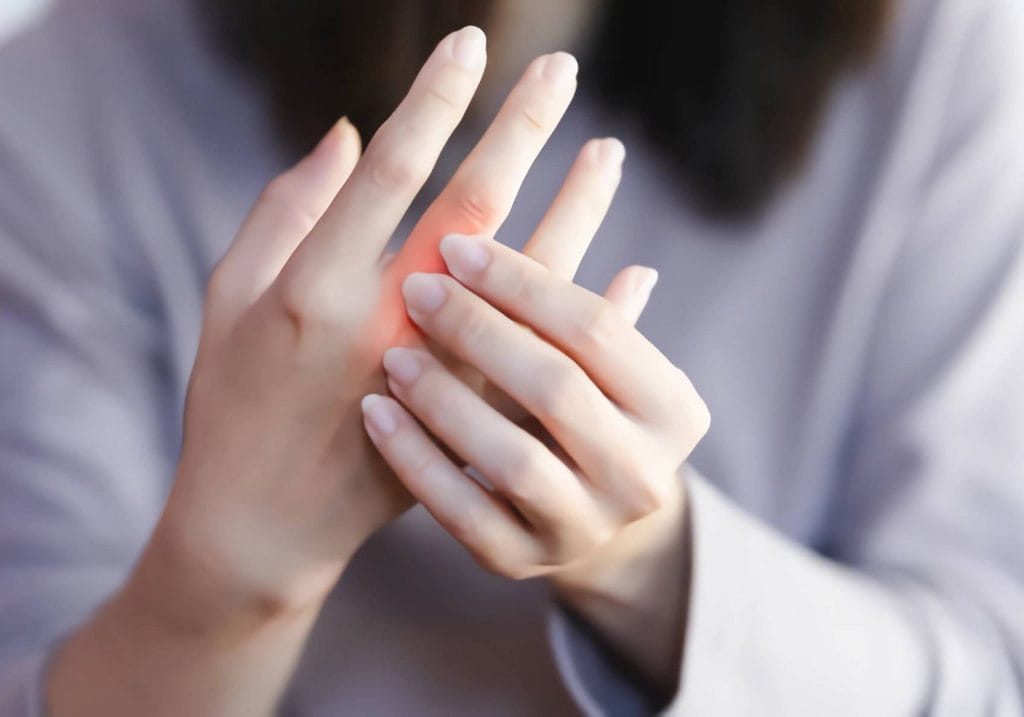
Symptoms of metal allergy can vary in intensity, but here are some common signs to watch for:
- Intense itching
- Redness accompanied by sensitivity
- Sensation of heat or burning on the affected area
- Localized swelling
- Itching and redness: these symptoms usually appear a few hours after wearing the jewelry.
- Contact dermatitis: red and scaly patches can develop where the skin was in contact with the allergenic metal.
- Blisters: in severe cases, blisters can form, creating additional discomfort.
If you suspect a metal allergy, it is advisable to consult a dermatologist for an accurate diagnosis. Skin tests can help identify precisely which metals you are allergic to.
In more severe cases, dry patches or even blisters may form, making the skin even more uncomfortable.
Which metals should you avoid?
- Nickel: this is the metal most often associated with allergies. It is frequently used in alloys to strengthen other metals or for finishes.
- Cobalt: often used in metal alloys and coating products, it can also trigger allergic reactions.
- Chromium: used mainly for plating jewelry, it can also be a source of allergy.
In the European Union, REACH regulations limit the amount of nickel that a piece of jewelry can release: 0.5 µg per cm² per week for jewelry in prolonged contact with skin, and 0.2 µg for piercing stems. These thresholds reduce the risk, without eliminating it for the most reactive skin.
Safe metals for allergic individuals
To avoid allergic reactions, it is best to choose jewelry made from hypoallergenic metals. Here are some recommended options:
- Gold: pure gold (24 carats) is generally hypoallergenic. However, it is more malleable and therefore less durable for daily use.
- 18-carat gold (750 thousandths) is an excellent alternative, as it contains fewer potentially allergenic metal alloys and is more durable.
- Be careful with gold-plated jewelry: the gold layer can wear away, exposing the underlying metals and causing allergic reactions.
- Sterling silver:
- Sterling silver (92.5% pure silver) is generally safe, although some people may react to the copper alloy it contains.
- To limit allergy risks, look for pure silver jewelry (99.9%) or nickel-free sterling silver. Buying from trusted artisans or manufacturers allows you to ensure the quality of the metal.
- Titanium:
- Lightweight, durable, and completely hypoallergenic, titanium is an excellent choice for jewelry.
- Platinum:
- Platinum is hypoallergenic and durable. Less popular than gold, it has become more accessible and is often used for wedding bands due to its strength and beautiful white color.
- Surgical steel:
- Used in medical instruments, 316L steel is designed to be biocompatible and is appreciated for its durability and affordable price.
- It does, however, contain nickel: very sensitive skin may react. For such skin, titanium remains a safer choice.
Gold-plated jewelry, with reservations
Gold-plated jewelry is a popular option because it gives the appearance of gold at a lower cost. However, it carries certain risks for allergic individuals.
The composition: gold-plated jewelry consists of a thin layer of gold applied to a base metal, often brass or copper, which may contain allergens such as nickel.
Wear: over time, the gold layer can wear away and expose the skin to underlying metals, which can cause allergic reactions.
Plating quality: to limit risks, choose good quality gold-plated jewelry with a plating thickness of at least 3 microns.
Tips for choosing hypoallergenic jewelry
Read the labels: check the composition of jewelry before purchasing. Avoid vague terms like "alloy" or "plated," which may hide allergenic materials.
Test your jewelry: if in doubt, wear the jewelry for a few hours before keeping it on for a long period or for an evening. This will avoid surprises and discomfort.
Choose nickel-free jewelry: look for jewelry labeled "nickel-free" or "hypoallergenic," and if not available, ask the seller for advice.
Opt for jewelry from trusted designers: investing in quality jewelry from reputable designers can reduce the risk of allergic reactions, as they use better quality materials.
How to care for your jewelry to limit allergies?
Even hypoallergenic jewelry can accumulate irritating substances such as sweat, skincare products, or chemicals. Here are some tips for maintaining your jewelry and limiting allergy risks:
Clean regularly: use gentle cleaning solutions specific to jewelry, or a mixture of warm water and mild soap.
Avoid contact with chemicals: remove your jewelry when using household products, cosmetics, or lotions.
Store correctly: keep your jewelry in a dry place, away from moisture, to prevent corrosion or oxidation.
Metal allergies should not prevent you from wearing beautiful jewelry. By being mindful of the materials used and choosing hypoallergenic options, you can enjoy your accessories without discomfort. Consult a healthcare professional if you have any doubts about an allergic reaction, for appropriate treatment and personalized advice. By following these recommendations, you can adorn your outfits with elegant jewelry while protecting your sensitive skin.
How to soothe metal allergy reactions: our tips
For people suffering from metal allergies caused by jewelry contact, several solutions can help soothe the skin and prevent reactions. Here are some options:
1. Barrier creams
Certain creams, sold in pharmacies, are formulated to create a protective barrier between the skin and metal. Applied before wearing jewelry, they limit direct contact. Ask your pharmacist for advice to choose a formula suitable for sensitive skin.
2. Corticoid-based creams (for severe irritation)
If irritation or a skin rash occurs, a low-dose corticoid cream, such as hydrocortisone, can relieve inflammation and irritation. However, it should only be used under the supervision of a healthcare professional, and preferably for short periods.
3. Calendula or aloe vera-based creams
Creams containing natural extracts such as calendula or aloe vera are also appreciated for soothing mild skin irritation. They calm the skin and help reduce redness.
4. Protective varnishes and sprays for jewelry
There are protective varnishes and sprays to apply directly to the jewelry. They form a transparent film on the metal and thus limit its contact with the skin. This film wears away over time: it must be renewed regularly.
5. Protective powders
Some users recommend specific powders, such as talc powder fragrance-free or silica-based powders, to reduce friction between skin and jewelry. These powders also help keep the skin dry and prevent irritation.
These solutions can help reduce symptoms related to metal allergies, but it is always recommended to consult a dermatologist before starting any treatment, especially in case of severe reactions.
Sources
Comments
Comments are coming soon.