Jewelry and Ethics: How to Choose Responsible Creations?
Ethical and responsible jewelry is generating growing interest, reflecting increased consumer awareness of environmental consequences
Aurelia
14 January 2025
Ethical and responsible jewelry is generating growing interest, reflecting increased consumer awareness of the environmental and social consequences of their purchasing choices. But how can you ensure that your precious acquisitions respect these values? In this article, we explore in detail the criteria to prioritize for jewelry that is more responsible and unveil the current trends in the sector.
1. Prioritize sustainable and recycled materials
Recycled gold and silver
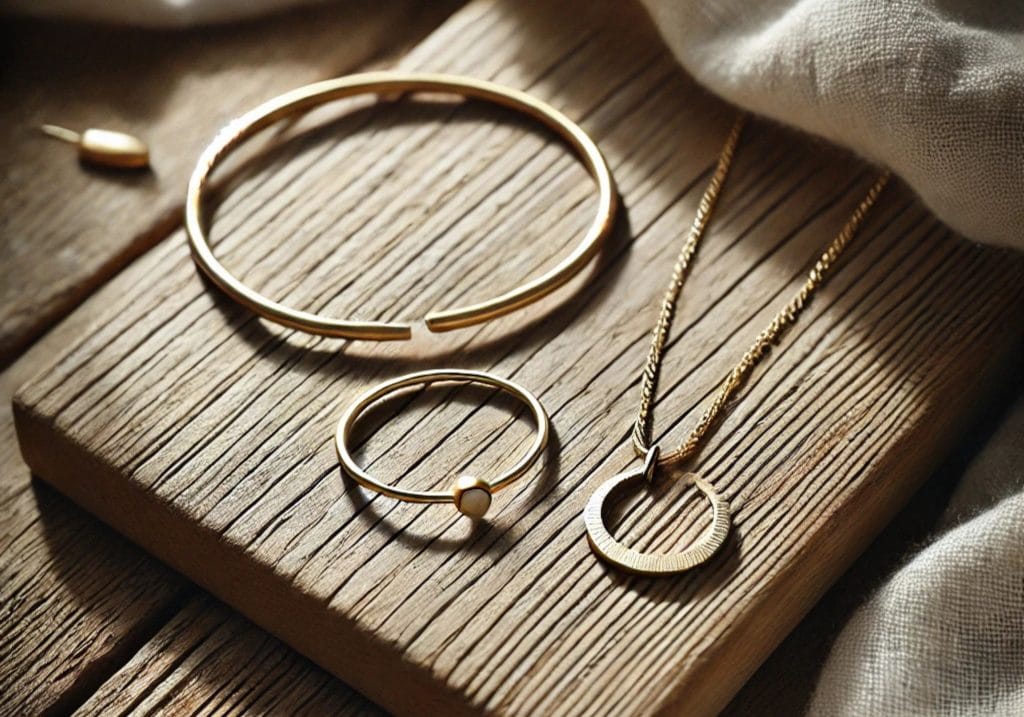
Precious metal mining is one of the most polluting industries in the world. Fortunately, many brands are turning to recycled metals, thereby helping to reduce the ecological footprint. Jewelry crafted from recycled gold or silver is just as refined as that made from virgin materials, yet much more environmentally friendly.
Example: Courbet, an innovative French jewelry house, designs its pieces using recycled gold and lab-grown diamonds.
Second-hand gemstones
The market for second-hand gemstones is gaining ground. Recycled gems are extracted from antique jewelry to be reused in new creations. This circular approach helps limit mining extraction while giving a second life to these rare materials.
2. Opt for synthetic stones
Gemstones created in the laboratory, such as synthetic diamonds, offer an ecological and ethical alternative. Produced under controlled conditions, they lack the environmental impact of traditional mines.
The advantages of lab-grown diamonds
- No risk of irresponsible mining operations.
- Availability in rare colors (pink, blue, etc.).
- Costs often lower than natural diamonds.
Brands like Diamond Foundry or Lightbox Jewelry highlight these innovations in their collections.

3. Verify certifications and labels
Before making a purchase, look for jewelry bearing recognized certifications, such as:
- Fairmined: Guarantees that the gold comes from responsible artisanal mines.
- Responsible Jewellery Council (RJC): Ensures that manufacturing complies with strict ethical standards.
- Kimberley Process: Certifies that diamonds do not originate from conflict zones.
Why are these labels important?
They constitute a guarantee that the jewelry respects not only the environment but also human rights. By doing your prior research, you make an informed choice aligned with your values.
To discover more:
4. Support local craftsmanship and fair practices
By choosing jewelry rooted in local craftsmanship, you encourage responsible practices and support communities. Committed artisans highlight traditional techniques while ensuring fair working conditions.
Advantages of supporting local craftsmanship:
- Knowing the exact origin of the materials.
- Participating in the development of local economies.
- Obtaining unique pieces with cultural added value.
On our media outlet Orzyla, we champion local creators for their expertise and commitment to sustainability or renewable plant-based materials. Explore their creations here: Orzyla
5. Inquire about brand practices
Before purchasing, it is essential to learn about brands' commitments to ethics and sustainability. Some companies communicate transparently about their production processes and environmental initiatives.
By adopting these habits, you will contribute to a more responsible jewelry industry while wearing pieces that reflect your values and your commitment to a sustainable future.
Major jewelry houses like Chopard or Cartier publish reports on their commitment to responsible practices.
Exemplary brands:
- JEM (Jewellery Ethically Minded): Exclusive use of Fairmined-certified gold.
- Courbet: Specialized in synthetic diamonds and recycled gold.
- Pascale Monvoisin: Artisan creations highlighting antique materials.
6. Consume less, but better
In the world of jewelry, adopting the principle of “less, but better” is particularly relevant. By choosing high-quality pieces, timeless and designed to last, consumers can not only reduce their ecological footprint but also favor creations of genuine value. This minimalism is not just about buying less, but investing in jewelry that will weather the years without losing its brilliance or beauty, while being crafted ethically and sustainably.
Responsible jewelry focuses on ecological and recycled materials, such as recycled gold, ethically sourced stones, or lab-grown diamonds. These choices help reduce the exploitation of natural resources and limit environmental impact. This type of consumption also encourages a circular economy, where materials can be reused, transformed, and recycled, thereby reducing waste while offering highly valuable jewelry.
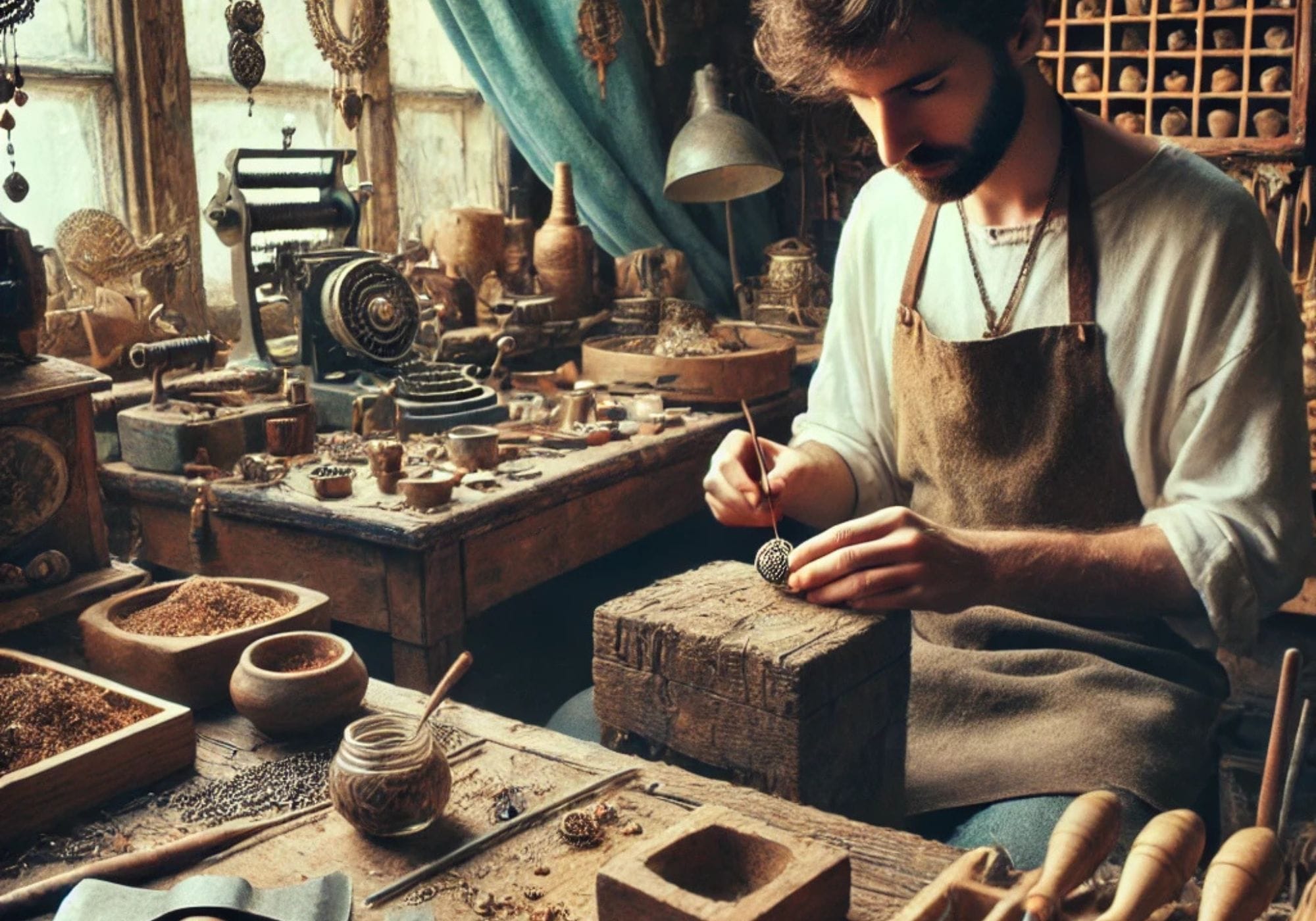
By choosing creators who adopt this ethical approach, consumers also support artisanal craftsmanship that respects working conditions and human rights. Unlike mass production, these pieces are often handcrafted, with meticulous care given to every detail. These jewelry pieces thus become unique objects, carrying meaning and history, whose value far exceeds their mere decorative function.
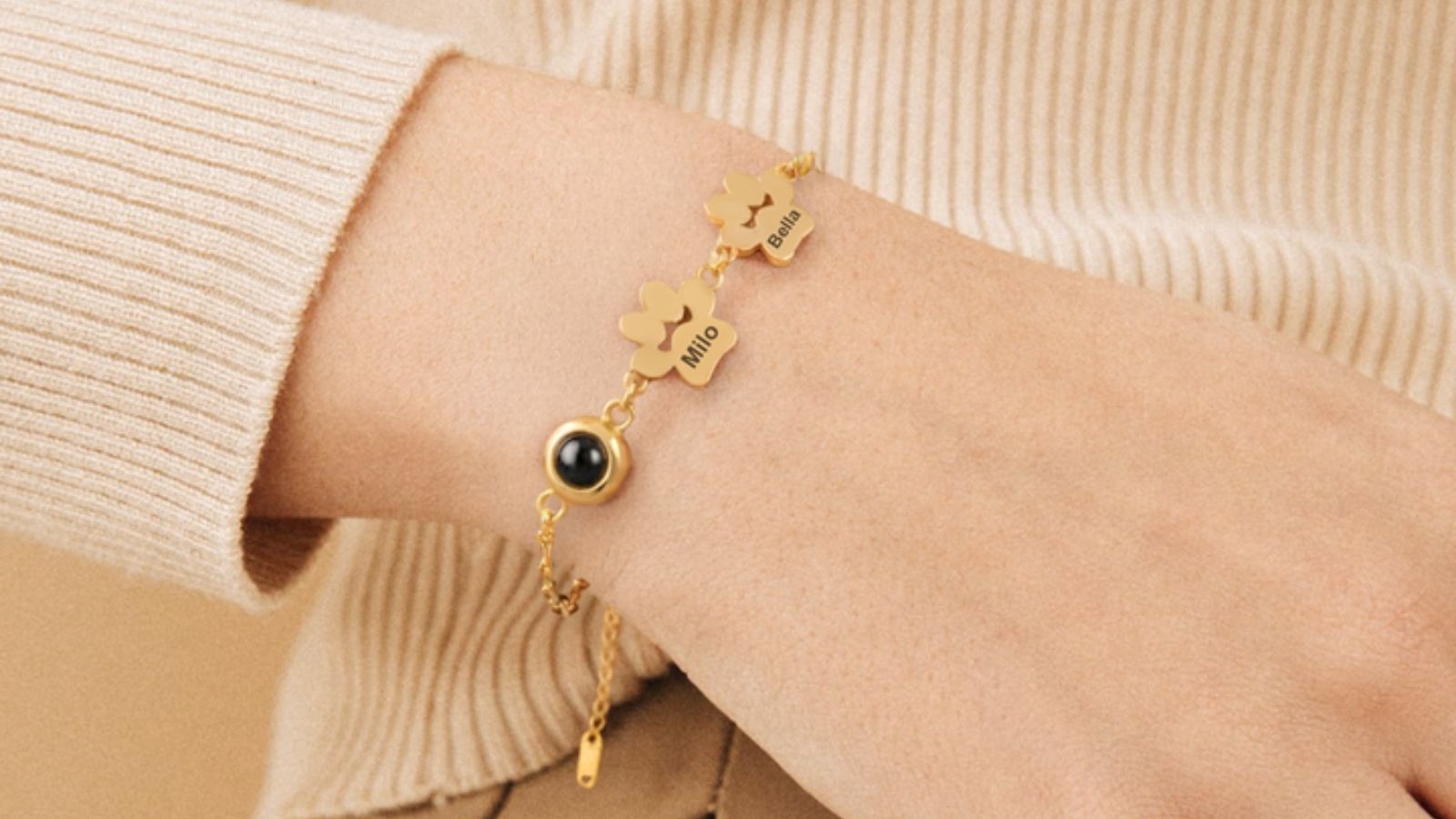
One of the pioneering brands in this field is Merci Maman, which offers hand-engraved jewelry made from ethical materials.
7. Current trends in ethical jewelry
Lab-grown diamonds : the future of jewelry
With environmental and ethical advantages, lab-grown diamonds are establishing themselves as a sought-after alternative.
Recycling and second-hand: a strong trend
Consumers are actively seeking jewelry made from recycled stones and metals.
A daily commitment
Choosing ethical jewelry is a strong statement, reconciling elegance and responsibility. By favoring recycled materials, certified labels, and local craftsmanship, you contribute to building a more sustainable industry.
Comments
Comments are coming soon.