How to Avoid Allergies for Sensitive Skin?
Wearing jewelry can be a genuine pleasure, but for some individuals, it can also lead to unpleasant allergic reactions.
Aurelia
17 December 2024
Jewelry allergies affect 15% of the population and are primarily caused by nickel present in metal alloys. For sensitive skin, prioritize 18-karat gold, platinum, titanium, or 316L surgical steel, which are certified hypoallergenic metals.
“Beauty should never be a source of discomfort: choosing the right metals means giving your skin the respect it deserves.” — Orzyla
How to choose jewelry that protects sensitive skin and how to avoid allergies
For some individuals, wearing jewelry can lead to unpleasant allergic reactions, particularly when they contain certain metals. In this article, we will explain the causes of metal allergies, how to identify them, and above all, how to choose suitable jewelry to avoid these inconveniences.
What is a metal allergy?
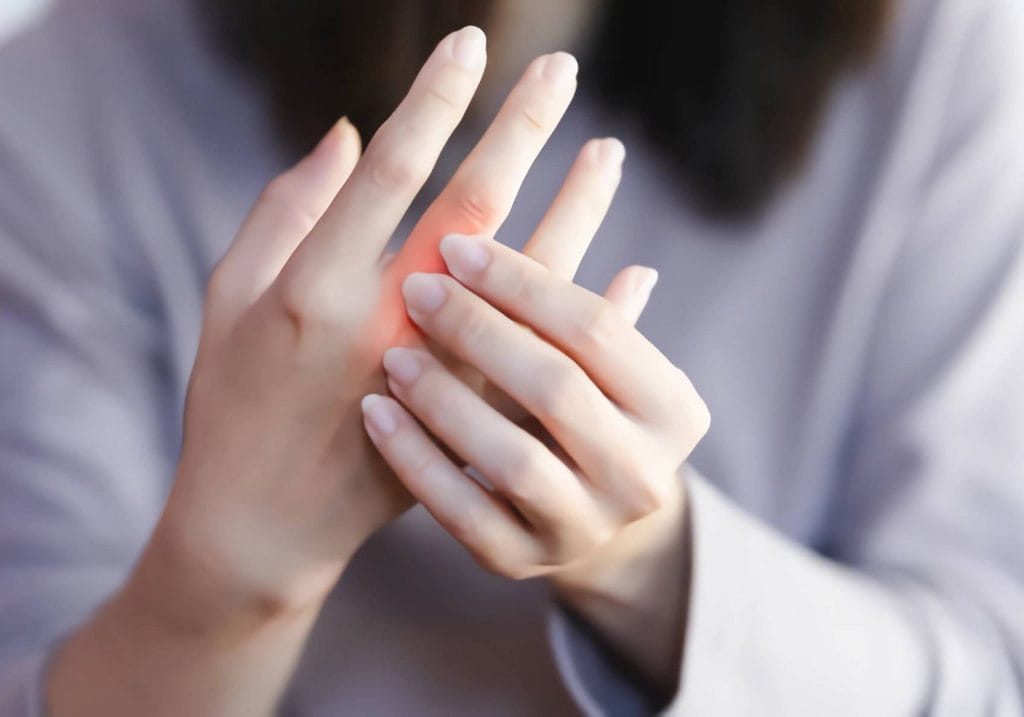
A metal allergy is an immune reaction of the body when it comes into contact with certain types of metals. The most common of these allergies is nickel allergy, but other metals such as cobalt and chromium can also provoke reactions. These allergies often manifest through symptoms such as itching, redness, skin rashes, and, in more severe cases, blisters.
Recognizing the symptoms of a metal allergy
The symptoms of a metal allergy can vary in intensity, but here are some common signs to watch out for:
- Intense itching
- Redness accompanied by sensitivity
- A sensation of warmth or burning on the affected area
- Localized swelling
- Itching and redness: these symptoms generally appear a few hours after wearing the jewelry.
- Contact dermatitis: red, scaly patches can develop where the skin has been in contact with the allergenic metal.
- Blisters: in severe cases, blisters can form, creating additional discomfort.
If you suspect a metal allergy, it is advisable to consult a dermatologist for an accurate diagnosis. Skin tests can be performed to specifically identify the metals to which you are allergic.
In more severe cases, dry patches or even blisters may form, making the skin even more uncomfortable.
Which metals to avoid?
- Nickel: this is the metal most commonly associated with allergies. It is often used in alloys to strengthen other metals or for finishes.
- Cobalt: often used in metal alloys and coating products, it can also cause allergic reactions.
- Chromium: used primarily for jewelry plating, it can also be a source of allergy.
Safe metals for allergic individuals
To avoid allergic reactions, it is best to choose jewelry made from hypoallergenic metals. Here are some recommended options:
- Gold:
Pure gold (24 karats) is generally hypoallergenic. However, it is more malleable and therefore less durable for everyday wear.- 18-karat gold (750 thousandths) is an excellent alternative because it contains fewer potentially allergenic metal alloys and is more durable.
- Beware of gold-plated jewelry, as the gold layer can wear off, exposing the underlying metals and triggering allergic reactions.
- Sterling silver:
- Sterling silver (92.5% pure silver) is generally safe, although some individuals may react to the copper alloy it contains.
- To minimize the risk of allergies, look for pure silver (99.9%) or nickel-free sterling silver. Collaborating with trusted artisans or manufacturers can guarantee the quality of the metal.
- Titanium:
- Lightweight, durable, and completely hypoallergenic, titanium is an excellent choice for jewelry.
- Platinum:
- Platinum is hypoallergenic and durable. Less popular than gold, it has become more accessible and is often used for wedding bands due to its strength and beautiful white color.
- Surgical steel:
- Used in medical instruments, this steel is designed to be biocompatible and hypoallergenic.
- Popular for its durability and affordable price.
- May contain nickel and chromium, which can cause allergic reactions
Subject to gold plating:Gold plating is a popular option because it achieves the appearance of gold at a reduced cost. However, it carries certain risks for individuals with allergies.
The composition: gold plating consists of a thin layer of gold applied over a base metal, often brass or copper, which may contain allergens such as nickel.
Wear and tear: over time, the gold layer can wear away, exposing the skin to the underlying metals, which can trigger allergic reactions.
Plating quality: to minimize risks, choose high-quality gold-plated jewelry with a plating thickness of at least 3 microns.
Tips for choosing hypoallergenic jewelry
Read the labels: make sure to check the composition of the jewelry before purchasing. Avoid vague terms like "alloy" or "plated" which may conceal allergenic materials.
Test your jewelry: if you have doubts, test the piece for a few hours before wearing it for an extended period or to an evening event; this will prevent surprises and discomfort.
Choose nickel-free jewelry: look for jewelry labeled "nickel-free" or "hypoallergenic," or do not hesitate to ask the person concerned.
Opt for trusted designer jewelry: investing in quality jewelry from reputable creators can reduce the risk of allergic reactions, as they use higher-quality materials.
Recognizing the symptoms of a metal allergy
Allergic reactions to metals can manifest in different ways, but the most frequent signs are:
- Intense itching
- Redness accompanied by sensitivity
- A sensation of warmth or burning on the affected area
- Localized swelling
In more severe cases, dry patches or even blisters may form, making the skin even more uncomfortable.
Even hypoallergenic jewelry can accumulate irritants such as sweat, skincare products, or chemicals. Here are some tips to care for your jewelry and minimize allergy risks:
Clean regularly: Use gentle cleaning solutions specific to jewelry or a mixture of lukewarm water and mild soap.
Avoid contact with chemicals: Remove your jewelry when using cleaning products, cosmetics, or lotions.
Store properly: Keep your jewelry in a dry place away from humidity to prevent corrosion or oxidation.
Metal allergies should not prevent you from wearing beautiful jewelry. By paying attention to the materials used and choosing hypoallergenic options, you can enjoy your accessories without discomfort. Remember to consult a healthcare professional if you have any doubts about an allergic reaction for appropriate treatment and personalized advice. By following these recommendations, you can adorn your outfits with elegant jewelry while protecting your sensitive skin.
How to soothe metal allergic reactions: our advice and recommended creams
Related tags
Comments
Comments are coming soon.