Smart Jewelry: A Technological Revolution in the Jewelry Industry
Smart jewelry, a perfect fusion of cutting-edge technology and refined craftsmanship, is redefining the codes of the jewelry industry.
Aurelia
29 December 2024
Smart jewelry combines high jewelry and biometric sensors to track daily health. By 2026, this market is valued at 32 billion dollars and offers bracelets, rings, and necklaces capable of measuring heart rate, sleep, and physical activity.
« Smart jewelry embodies a new era in jewelry, an era where elegance and technology merge to offer products that are both aesthetic, useful, and intelligent. »
Smart jewelry, a perfect fusion of cutting-edge technology and refined craftsmanship, is redefining the codes of the jewelry industry. By combining aesthetics, functionality, and innovation, these unique pieces meet the growing needs for personalization and practical utility. From smart rings to GPS-tracked necklaces, smart jewelry is establishing itself as the future of the sector. This article will detail the trends, applications, key players, and long-term prospects of this booming market.
The Emergence of Smart Jewelry: An Inevitable Trend
Origins and Background
The idea of smart jewelry dates back to the rise of connected objects and the Internet of Things (IoT). While the first smartwatches paved the way, jewelry designers quickly seized the opportunity to blend technology and jewelry to offer accessories that are both elegant and useful. Wearable technology has evolved beyond simple watches or bracelets, now encompassing a vast range of objects, including rings, necklaces, and pendants. These pieces are now capable of collecting data on health, safety, or even the environment, while offering a refined aesthetic that appeals to an audience increasingly fond of novelties.
Smart jewelry has steadily gained popularity in recent years. In 2020, the company Frost & Sullivan estimated that the global smart jewelry market would reach nearly 15 billion dollars by 2025. With the growing adoption of wearable technologies and increased awareness of the benefits of integrated health tracking, smart jewelry is transforming consumer expectations regarding luxury and fashion products.
The Market in Figures
According to a study by Grand View Research, the smart jewelry market is expected to reach 80 billion dollars by 2030, with a compound annual growth rate of 15%. This dynamism is explained by an increased demand for smart solutions related to health, safety, and fashion. Consumers are increasingly looking for accessories that go beyond a simple decorative function. They want jewelry that helps them better manage their health, secure their belongings, or simplify their daily lives.
This rapid growth is also fueled by constant technological innovations, which make smart jewelry more accessible and high-performing. Features such as sleep monitoring, stress management, or fall detection have become commonplace, transforming classic accessories into true tools for wellness and security.
The Different Types of Smart Jewelry
Smart jewelry varies and meets multiple needs. From health monitoring to the integration of notifications and alerts, each type of smart jewelry offers distinct advantages for the user.
Smart Bracelets and Watches: The Guardians of Health
Smart bracelets are among the most common pieces of jewelry. These accessories often combine health and wellness tracking technologies with a sober and elegant design. For example, brands like Fitbit or Withings offer bracelets that measure step count, heart rate, sleep quality, and even blood oxygen levels.
Luxury smartwatches, on the other hand, have taken an increasingly important place in the industry. Prestigious houses like Tag Heuer or Bulgari have launched high-end smartwatches which, while offering health tracking features and notifications, retain a refined and sophisticated design. Watches like those offered by Apple or Samsung integrate advanced sensors to track sports activities, receive messages, and monitor cardiovascular health.
Smart Rings and Necklaces: Innovation at the Service of Fashion
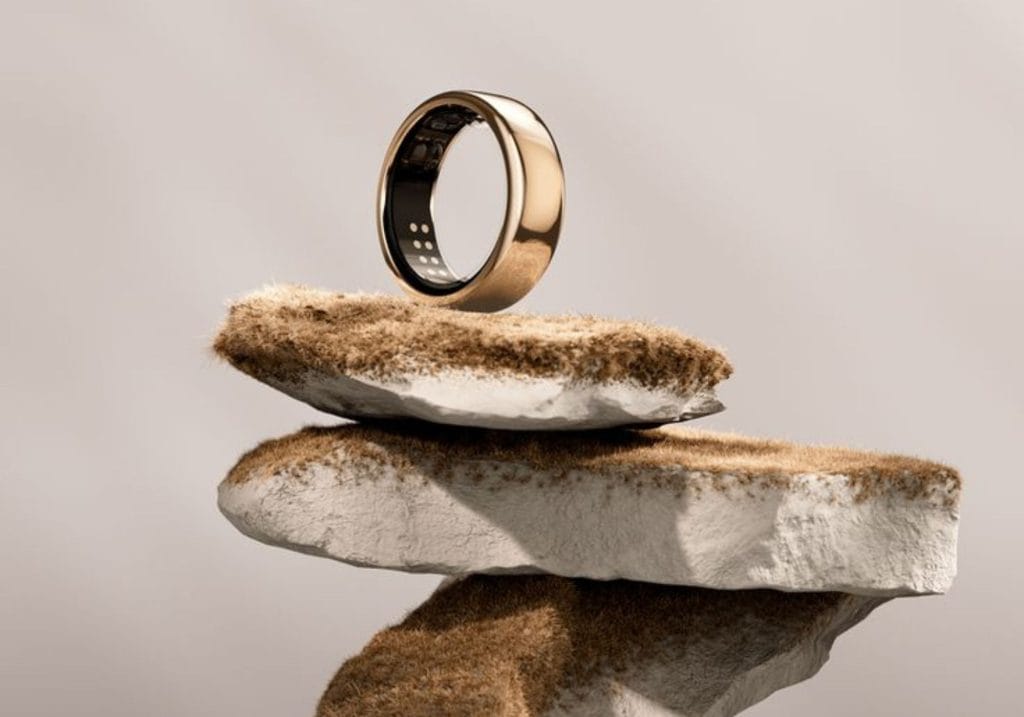
Smart rings, still relatively new on the market, are experiencing a real boom. These finger jewelry pieces combine discretion and practicality by allowing users to receive notifications directly on the ring itself. Brands like Ringly and Oura have launched rings that allow the user to receive subtle alerts regarding incoming calls, text messages, or even the weather. Biometric sensors integrated into some of these rings also make it possible to track body temperature, sleep quality, and other health indicators.
Smart necklaces, on the other hand, are increasingly popular, especially those integrating geolocation features. These necklaces can be used to find a lost object, or even to allow a loved one to track the user's location in case of an emergency. Some brands also offer necklaces that provide protection against stress or promote relaxation by emitting soothing vibrations or sounds.
The Impact of Technology on the Jewelry Industry
The integration of technology into the jewelry industry has disrupted traditional codes of craftsmanship. More and more creators are collaborating with engineers and designers specialized in high technology to fuse elegance with performance.
Partnerships with Tech Giants
Major luxury brands have quickly grasped the importance of technological innovation in jewelry. Strategic partnerships are forming between traditional jewelry houses and tech companies to create smart objects that are both aesthetic and high-performing. For example, Apple collaborated with Hermès to launch a range of smartwatches that combine high technology with traditional craftsmanship. This type of collaboration proves that the jewelry industry is ready to embrace technological advancements to meet the expectations of modern consumers.
The Rise of Startups
Alongside major luxury houses, several startups are positioning themselves in the smart jewelry market. These companies offer innovative solutions in terms of health tracking, geolocation, and security. For example, startups like Bellabeat have developed smart jewelry specifically designed for women, allowing them to track their menstrual cycle, stress levels, and other health parameters.
Startups can afford greater flexibility and creativity in integrating technology into their creations, allowing them to differentiate themselves in a highly competitive market. Many of these companies rely on modern and minimalist design concepts to attract a young, tech-savvy clientele.
The Challenges of Smart Jewelry
Although demand for smart jewelry is growing strongly, several challenges remain for manufacturers and consumers.
Data Security and Privacy
Smart jewelry collects sensitive personal data, notably regarding user health and location. This raises concerns regarding data security and privacy. Companies must therefore guarantee the protection of information collected by their products. This involves advanced encryption measures as well as clear policies on personal data management.
Durability and Product Battery Life
One of the major technical challenges of smart jewelry remains battery life. Unlike classic watches and bracelets, smart jewelry must also integrate electronic components in miniaturized formats. Finding batteries that are high-performing, durable, and small enough to fit into a piece of jewelry remains a challenge for manufacturers. Wireless technologies, such as contactless charging, are an envisioned solution to improve this battery life.
The Future of Smart Jewelry
The smart jewelry industry is at a major turning point. The convergence between technology and jewelry offers exceptional growth prospects for the coming years. Smart fashion accessories, integrating health, safety, and comfort features, are expected to continue developing, making technology increasingly omnipresent in our daily lives.
With promising market prospects, the adoption of smart jewelry will only grow, notably thanks to constant innovation, collaboration between luxury brands and tech startups, and the improvement of the user experience.
Smart jewelry embodies a new era in jewelry, an era where elegance and technology merge to offer products that are both aesthetic, useful, and intelligent. This trend is expected to transform the jewelry industry, redefining the role of accessories in consumers' daily lives.
Related tags
Comments
Comments are coming soon.