Can AI replace creativity in jewelry?
Can artificial intelligence replace creativity in jewelry design?
Aurelia
06 December 2024
The rise of artificial intelligence (AI) raises fundamental questions about its impact on various creative fields, including the jewelry industry. As AI becomes increasingly sophisticated, some fear it may overshadow human creativity in jewelry design and manufacturing.
“AI can model a diamond in a single click, yet it still doesn't know why it makes a heart beat.”
The rise of artificial intelligence (AI) raises fundamental questions about its impact on various creative fields, including the jewelry industry. As AI becomes increasingly sophisticated, some fear it may overshadow human creativity in jewelry design and manufacturing. We will take a closer look at this crucial issue and explore perspectives on the future of creativity in jewelry in the age of AI.
The complexity of creativity in jewelry
Jewelry creation is an art form that combines technical expertise with creative imagination. Each piece is the result of a meticulous process of design, material selection, manufacturing, and finishing. Creativity plays a central role in this process, guiding designers through every step to bring unique and dazzling pieces to life. It is this personal touch and artistic expression that distinguish high-end jewelry and captivate consumers.
The current role of AI in jewelry
At this stage, AI in the jewelry field is primarily used for tasks such as market trend analysis, inventory management, and personalized customer recommendations. AI tools can also be used to assist with design, providing style suggestions or optimizing production processes. However, these applications are generally perceived as aids to creators rather than replacements.
The challenges posed by AI in jewelry creation
One of the main challenges posed by AI in jewelry creation lies in its ability to generate autonomous designs. Sophisticated algorithms can be programmed to produce jewelry models based on specific criteria or trends. However, these creations often lack the human essence, emotion, and individuality that make handcrafted jewelry magical. It is difficult for AI to capture the subtlety of aesthetic choices, symbolic motifs, and personal stories that are often integrated into jewelry creations.
The importance of human inspiration
The true essence of creativity in jewelry lies in human inspiration. Jewelry designers draw from a wide range of sources of inspiration, whether nature, art, culture, or human emotions. It is this ability to create unique pieces, charged with meaning and beauty, that continues to captivate jewelry enthusiasts worldwide. AI can provide data and suggestions, but it cannot replicate the creative spark that emanates from the human mind.
The evolution of human-machine collaboration
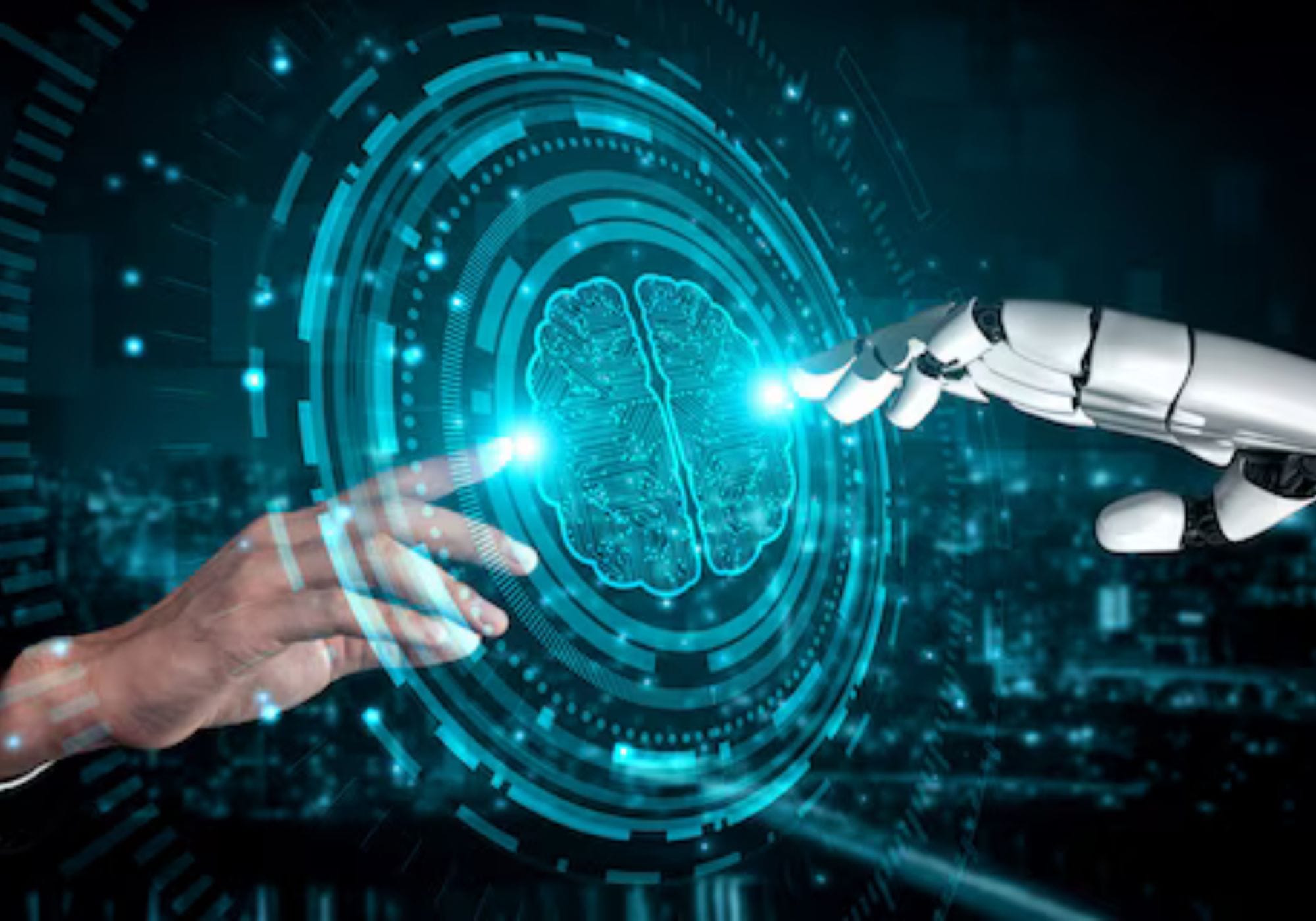
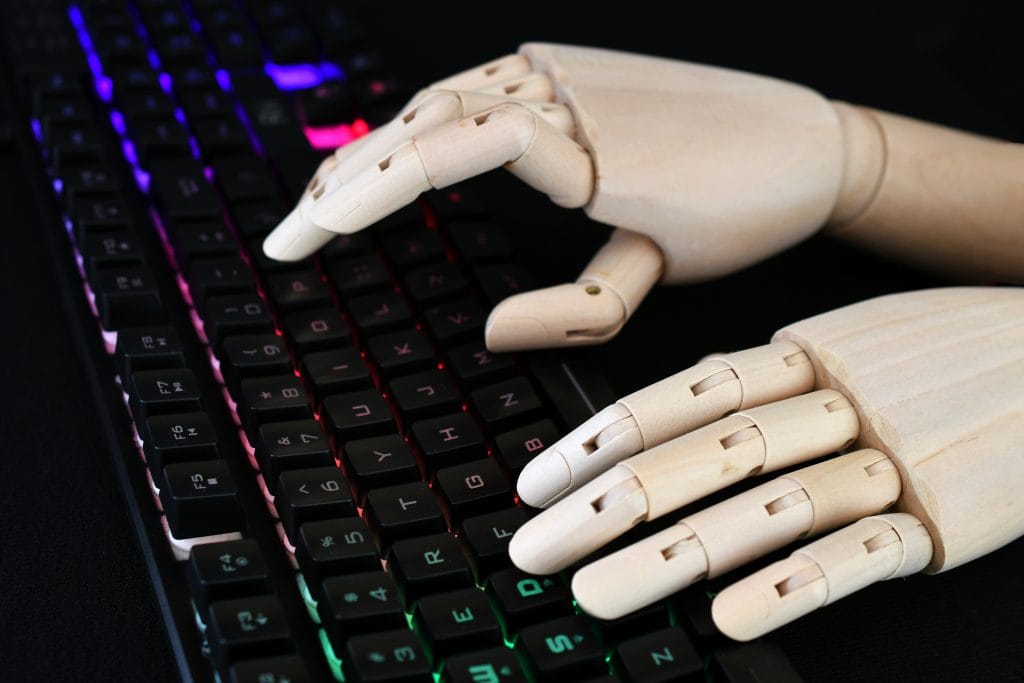
Rather than viewing AI as a threat to human creativity in jewelry, it is more productive to see it as a collaborative tool. Designers can use AI to explore new ideas, refine their concepts, or optimize their manufacturing processes. By working in tandem with AI tools, creators can unleash their imagination and devote more time to design aspects that require a unique human sensitivity.
We believe that human creativity will remain indispensable in the jewelry industry despite advances in AI, but it can assist and enhance the creative process. Jewelry is much more than mere products; they are symbols of beauty, emotion, and tradition. Human creativity brings invaluable value to each piece, giving it a unique personality and significance. As AI continues to evolve, it should be seen as an additional tool in the jewelry designer's arsenal, but never as a complete substitute for the human ingenuity that brings these precious works of art to life.
Some companies use artificial intelligence for various applications, particularly in the jewelry design and manufacturing process. These examples illustrate how artificial intelligence is used in the jewelry industry to improve design, manufacturing, and personalization processes for jewelry, thus offering customers high-quality products and personalized experiences.
Human creativity is a dynamic and resilient force that will continue to thrive in a world shaped by AI. By embracing the possibilities offered by technology while preserving our creative essence, we can build a future where AI and human creativity complement each other to inspire, move, and transform the world around us.
Here are some examples of companies that use AI in this field
- Diamond Foundry : uses artificial intelligence algorithms to analyze data on the molecular structure of diamonds and optimize the growth process for lab-grown diamonds. This enables them to produce high-quality synthetic diamonds with customized characteristics.
- De Beers : De Beers, one of the world's largest diamond mining companies, uses AI to improve the efficiency of their diamond extraction and sorting process. By using machine learning algorithms, they can sort diamonds based on their characteristics and quality.
- Cubic Zirconia Lab : this company uses artificial intelligence to create 3D jewelry models and virtual prototypes. This allows them to efficiently design and test new jewelry designs before moving on to actual manufacturing.
- Ada Diamonds : Ada Diamonds uses AI to personalize engagement ring designs based on client preferences. Their algorithms analyze customer data, such as preferred styles and desired materials, to create unique, custom designs.
- Gemist : this online platform uses artificial intelligence tools to allow customers to design their own custom jewelry. Customers can use virtual design tools to create unique pieces of jewelry, and AI guides them through the process to ensure their designs meet their needs and preferences.
Practical Information
Designing jewelry with AI: from concept to creation in five steps
The 15 best AI image generators
Stay connected with Orzyla!
Follow all upcoming events, trade shows, exhibitions, fashion, jewelry trends, beauty, and accessories on Orzyla — the media outlet that reveals talents, trends, and sustainable innovations.
Comments
Comments are coming soon.