Dracula by Luc Besson: The Return of Sexy Gothic Jewelry?
Luc Besson's Dracula reinvents the vampire myth in a romantic fresco slated for July 2025.
Aurelia
31 July 2025
Luc Besson's Dracula reinvents the vampire myth in a romantic fresco slated for July 2025.
« Between blood and seduction, gothic jewelry recovers its dark brilliance under Besson's gaze. »
Orzyla
Luc Besson's Dracula reinvents the vampire myth in a romantic fresco slated for July 2025.
- A colossal budget of 45 million euros, making this film the most ambitious French production of the year
- An approach centered on the tragic love story rather than the traditional horror aspect
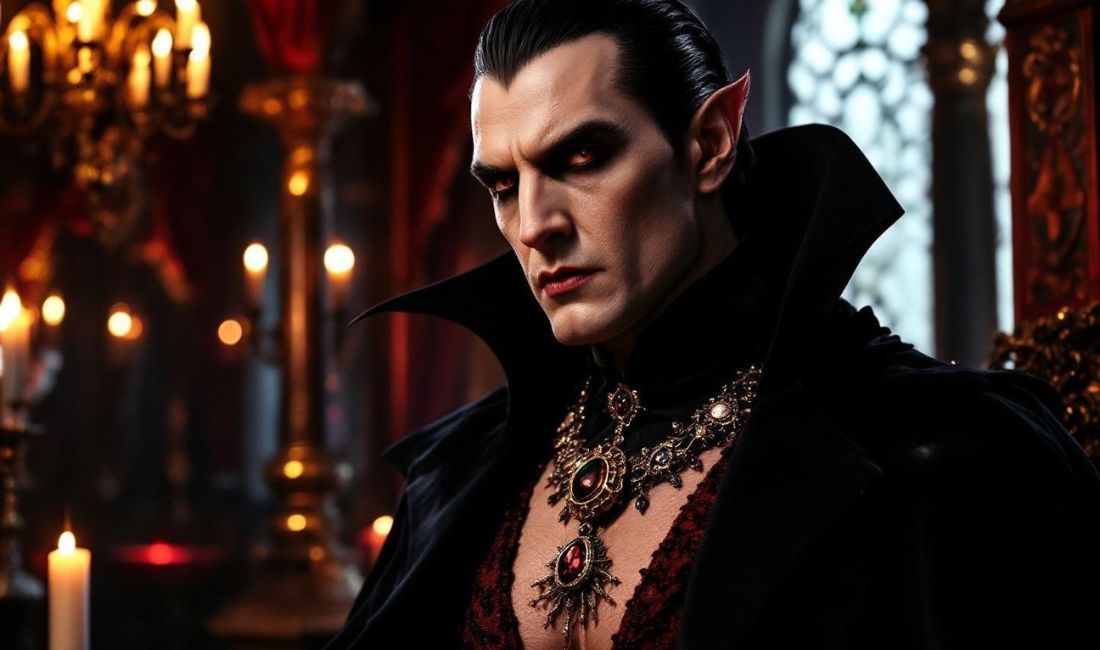
- Caleb Landry Jones embodies a vampire not thirsty for blood but broken by the loss of his love
- Visual aesthetics blending traditional gothic and contemporary vision with sets ranging from misty castles to Belle Époque Paris
July 30, 2025 marks the release of a major cinematic event in France: Luc Besson's romantic adaptation of the Dracula myth. Subtitled "A Love Tale," this feature film represents a colossal budget of 45 million euros, making it the most ambitious French production of the year. This version stands out thanks to its approach focused on the tragic love story between Prince Vladimir and Elisabeta, rather than the horror aspect traditionally associated with the vampire. The film oscillates between two eras: the 15th century and the Paris of 1889, creating a gothic fresco that renews both Besson's universe and the classic adaptations of the immortal count.
The Genesis of the Project: Luc Besson Tackles the Dracula Myth
The adventure began after the fruitful collaboration between Besson and Caleb Landry Jones on "Dogman" (2023). It was the actor himself who proposed to the director that he be cast as the most famous vampire in cinema history. Besson, who defines himself as "not really a cinephile," claims not to have been inspired by previous adaptations of Bram Stoker's novel. This project marks his return to the fantasy genre, a territory he brilliantly explored with "The Fifth Element." The romantic approach to the myth reveals his desire to renew an iconic character while retaining his distinctive visual signature.
Visual Aesthetics: Between Contemporary Gothic and the Besson Signature
The film marries traditional gothic aesthetics with the French filmmaker's characteristic contemporary vision. The Dark Matters studios in Tigery (Essonne) hosted part of the filming, while the frozen landscapes of Kuhmo in Finland serve as the backdrop for medieval scenes. The advertising influence is felt in the visual treatment of the sequences, creating an atmosphere that is both familiar and innovative. Patrice Garcia, the creator of the Minimoys, designed original vampiric servants that enrich this dark universe with a whimsical touch unique to Besson.
Sets and Atmospheres
The sets alternate between mist-drenched gothic castles and luxurious Parisian interiors of the Belle Époque. This visual duality reinforces the fragmented temporality of the narrative and illustrates the vampire's journey through the centuries, forever pursuing his lost love.
The Casting: Which Stars to Play the Count and His Victims?
Caleb Landry Jones plays Dracula/Prince Vladimir with a singular approach. He worked with a Romanian coach to perfect his Eastern European accent and chose to play the character with a deliberate slowness, considering that "an immortal is never in a hurry." Opposite him, Zoë Bleu plays the dual role of Elisabeta and Mina, creating a symbolic link with Besson's personal history since she is the daughter of Rosanna Arquette, actress in "The Big Blue." Christoph Waltz brings his charisma to the role of the antagonist priest, while Guillaume de Tonquédec completes the cast as a Parisian doctor confronted with the supernatural.
The Reinterpretation of the Vampire Myth According to Besson
This version breaks radically from previous adaptations. Besson's Dracula is not a bloodthirsty seducer but a man broken by the loss of his love. His transformation into a vampire results from a blasphemy, when mad with grief after the death of his wife during a battle against the Ottomans, he renounces God, whom he holds responsible for his misfortune. His curse of immortality then becomes an eternal quest to find his lost love. The narrative innovation includes the use of an hypnotic perfume to lure his prey. Van Helsing disappears in favor of a charismatic priest as the main adversary.
Sexy Gothic Fashion: A Central Element of the Film
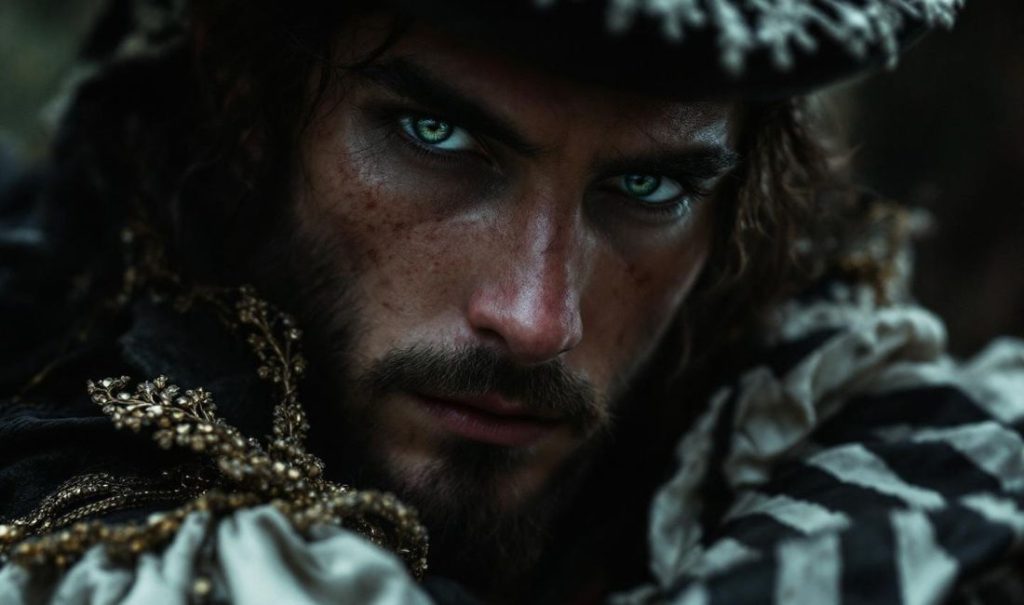
Costumes play a major role in establishing the film's both romantic and unsettling atmosphere. The contrast between the 15th-century medieval attire and the more refined outfits of 1889 Paris accentuates the temporal duality of the plot. Several critics have pointed out an omnipresent "male gaze" in the representation of female characters, notably through their costumes. This sensual gothic aesthetics nonetheless falls in line with Besson's usual visual choices, where fashion becomes a narrative element in its own right.
Jewelry and Accessories: Symbols and Meanings in the Universe of Dracula
Jewelry and accessories transcend their simple decorative function to become essential narrative elements. Elisabeta's locket, found on Mina four centuries later, symbolizes the mystical connection between the two women. Religious crosses, traditionally associated with protection against vampires, acquire a more complex dimension, representing Dracula's contradictory relationship with religion. Each gothic accessory helps enrich the film's visual universe while carrying symbolic significance in this cursed love story spanning the ages.
On the same subject:
The Influence of The Fifth Element on the Film's Aesthetics
Obvious parallels exist between "Dracula" and "The Fifth Element," two major fantasy works by Besson. The director recycles and evolves certain visual elements of his own cinematic universe while adapting them to the vampiric gothic context. The construction of coherent universes, the characteristic use of colors, and the mixture of diverse influences constitute his recognizable signature. Several technicians who collaborated on his previous films also participate in this new production, ensuring stylistic continuity despite the radical change of era and genre.
Music and Soundscape: Creating the Atmosphere of a Modern Dracula
The choice of Danny Elfman, Tim Burton's go-to composer, for the soundtrack proves particularly relevant. His orchestral music with sounds that are both gothic and contemporary reinforces the unique atmosphere of the film. Silences and sound effects play a crucial role in key scenes, notably during vampiric transformations. The musical score establishes a clear distinction between the medieval sequences and those taking place in Belle Époque Paris, while emphasizing the romantic dimension that constitutes the emotional core of this adaptation.
Production Challenges: Special Effects and Sets
With its 45 million euro budget, "Dracula" represents a considerable technical challenge for French cinema. The meticulous reconstruction of 1889 Paris and 15th-century castles required a colossal amount of work from the artistic teams. The special effects, particularly for the vampiric transformations and supernatural sequences, blend traditional techniques with digital innovations. Dracula's original servants, hybrid creatures designed by Patrice Garcia, required a combination of practical effects and computer-generated imagery to achieve the visual rendering desired by Besson.
Audience Expectations: Between Besson Fans and Vampire Enthusiasts
- Viewers appreciate Besson's recognizable universe, the visual quality, and Caleb Landry Jones's charisma
- Critics point out a sometimes superficial love story and insufficiently developed female characters
- The film achieves an average rating of 3.4/5 based on 346 reviews
This adaptation fits both into the tradition of vampire films and Besson's characteristic filmography. Comparisons with previous versions, notably Francis Ford Coppola's in 1992, seem inevitable, but the French director brings his personal touch to the myth. Between unconditional fans of the filmmaker and enthusiasts of the vampiric universe, Luc Besson's "Dracula" finds its place in the cinematic history of this immortal creature that continues to captivate audiences across the ages.
Comments
Comments are coming soon.