Handcrafted Jewelry: A Marriage of Innovation, Tradition, and Sustainability
"When jewelry craftsmanship makes a commitment: unique creations in the service of the planet" In a world seeking meaning and authenticity, artisanal jewe
Aurelia
18 January 2025
“When jewelry craftsmanship commits: unique creations dedicated to the planet”
In a world in search of meaning and authenticity, handcrafted jewelry stands out as unique objects, bearing history and expertise. Combining traditional techniques and modern innovations, these creations are redefining the codes of contemporary jewelry. They emerge as a sustainable and ethical alternative to mass production, while reflecting the personality of those who wear them.
But how do today's artisans manage to blend tradition and modernity? Why is this type of jewelry more popular than ever?
The art of innovation in jewelry craftsmanship
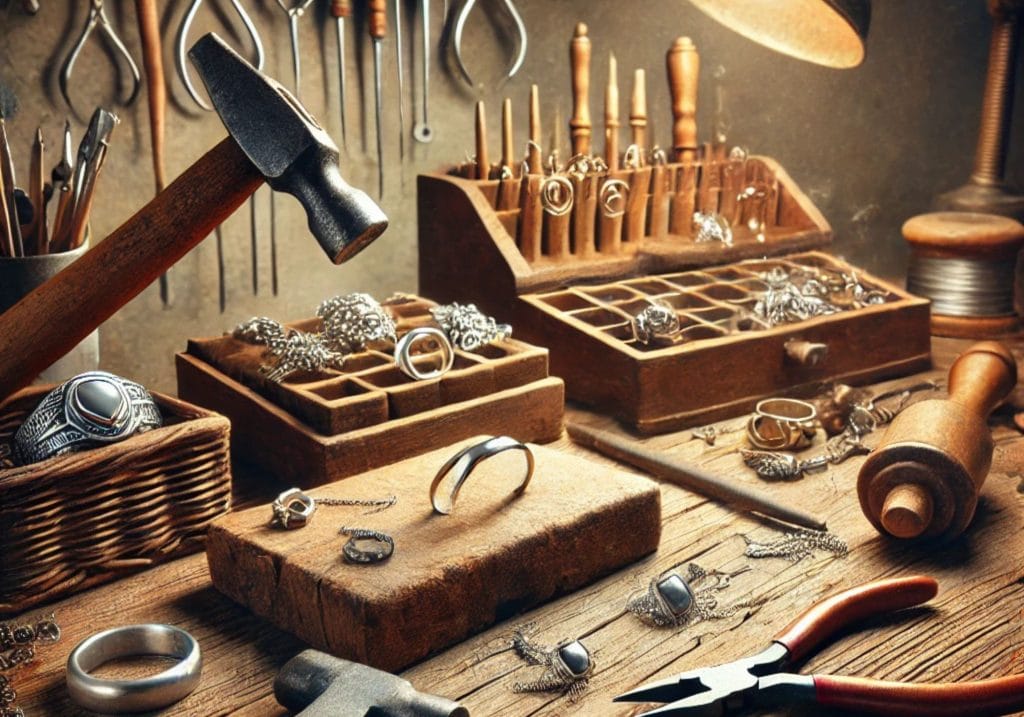
Jewelry craftsmanship is based on ancestral techniques passed down from generation to generation. These methods include hand-engraving, enameling, and gemstone cutting. Today, artisans are exploring new frontiers thanks to technologies like 3D printing, which allows for the creation of complex, custom designs. This fusion of tradition and technology offers endless possibilities for crafting unique pieces.
For example, many designers create modular or multifunctional jewelry, allowing them to be adapted to different outfits or occasions. These innovations meet the expectations of a clientele seeking originality and functionality.
Sustainable materials and committed designers
Faced with ecological and social challenges, jewelry craftsmanship is embracing a more responsible approach. Sustainable materials are at the center of this evolution:
- Recycled metals: gold and silver from recycled sources reduce the environmental impact of mining extraction.
- Ethical stones: lab-grown diamonds or traceable gemstones guarantee responsible practices.
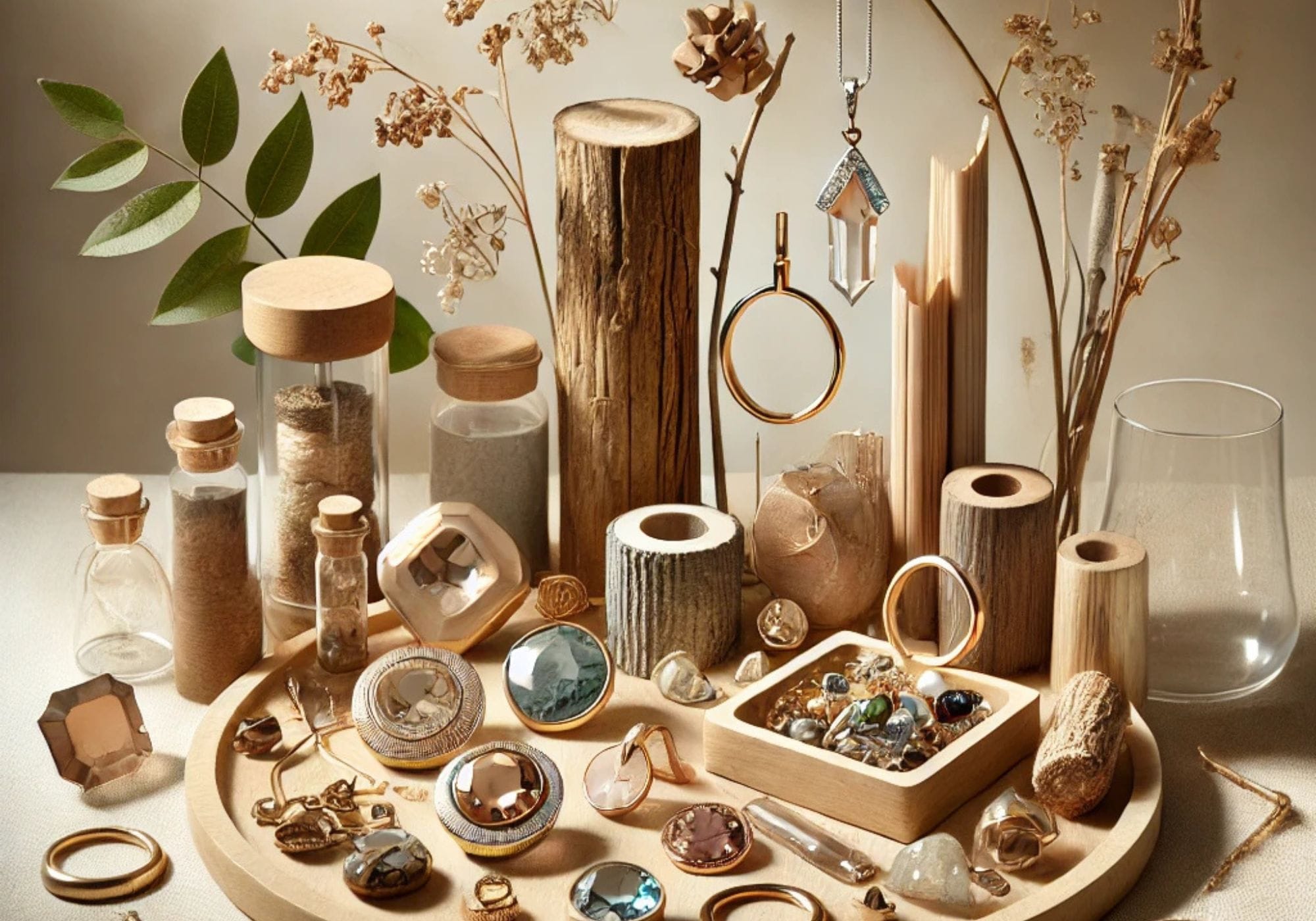
- Innovative materials: certified wood, recycled glass, or bioplastics offer new textures and aesthetics.
Furthermore, committed artisans promote local production, avoiding intermediaries, and highlighting the human value behind each creation.
“Each piece I design is a dialogue between my cultural roots and the ancestral techniques I want to preserve.” – Alice Cicolini
To go further, discover the article by Orzyla on ethical jewelry.
Current trends in handcrafted jewelry
- Elegant minimalism: simple jewelry with clean lines, perfect for a timeless style. Minimalism remains a popular choice for those seeking to express understated elegance while staying current. For example, a recent study shows that over 60% of consumers prefer delicate, versatile jewelry suited for everyday wear.
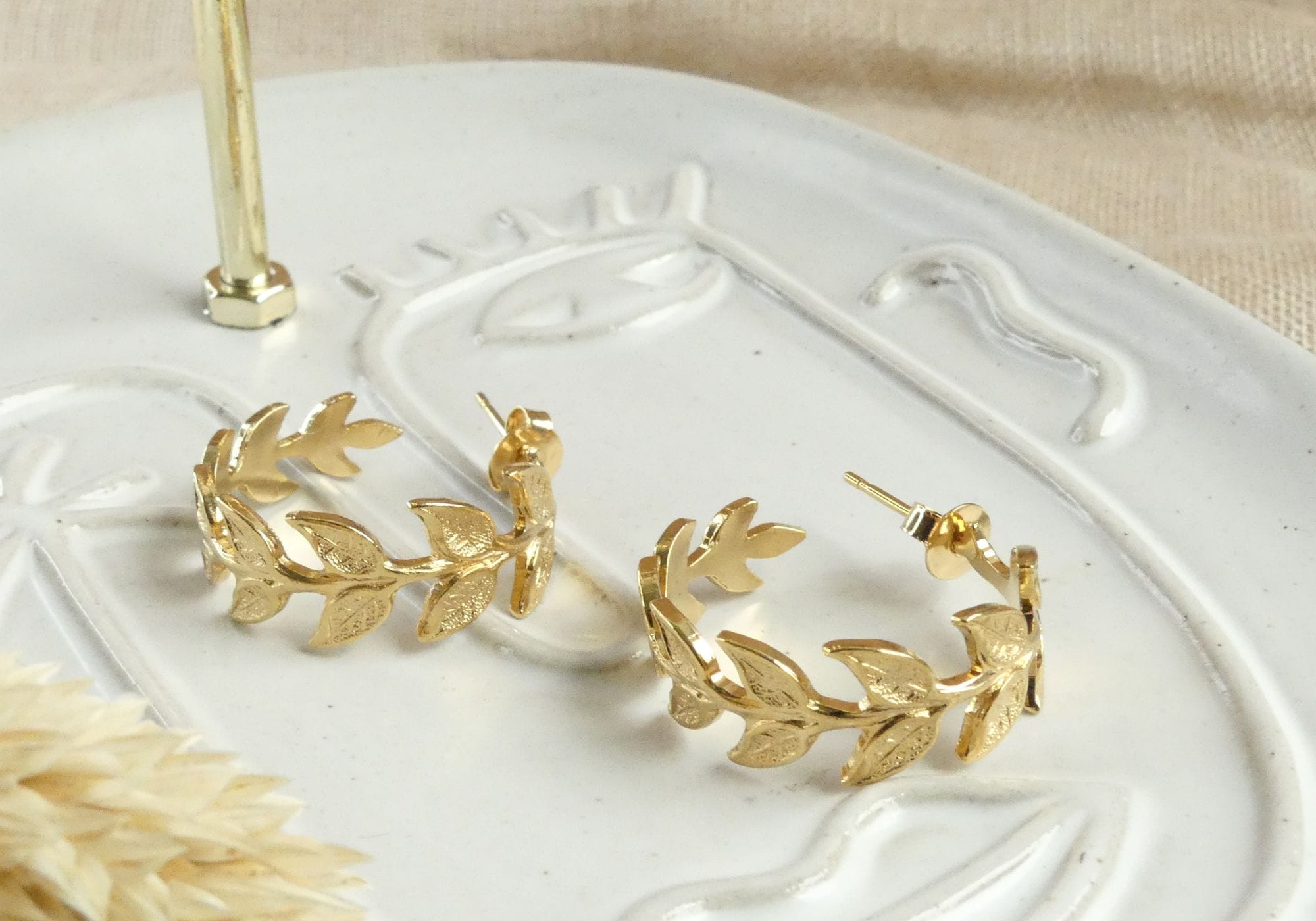
- Organic shapes: inspired by nature, these pieces highlight irregular curves and raw textures. Leaf, seashell, and pebble motifs are particularly popular. According to data from the Jewelry Institute, this trend has seen 25% growth in recent years.
- Sculptural jewelry: true wearable works of art where boldness is key. These daring creations captivate with their imposing dimensions and abstract designs, often inspired by contemporary architecture. A striking example is Charlotte Chesnais's 2024 collection, which won an award for its innovation.
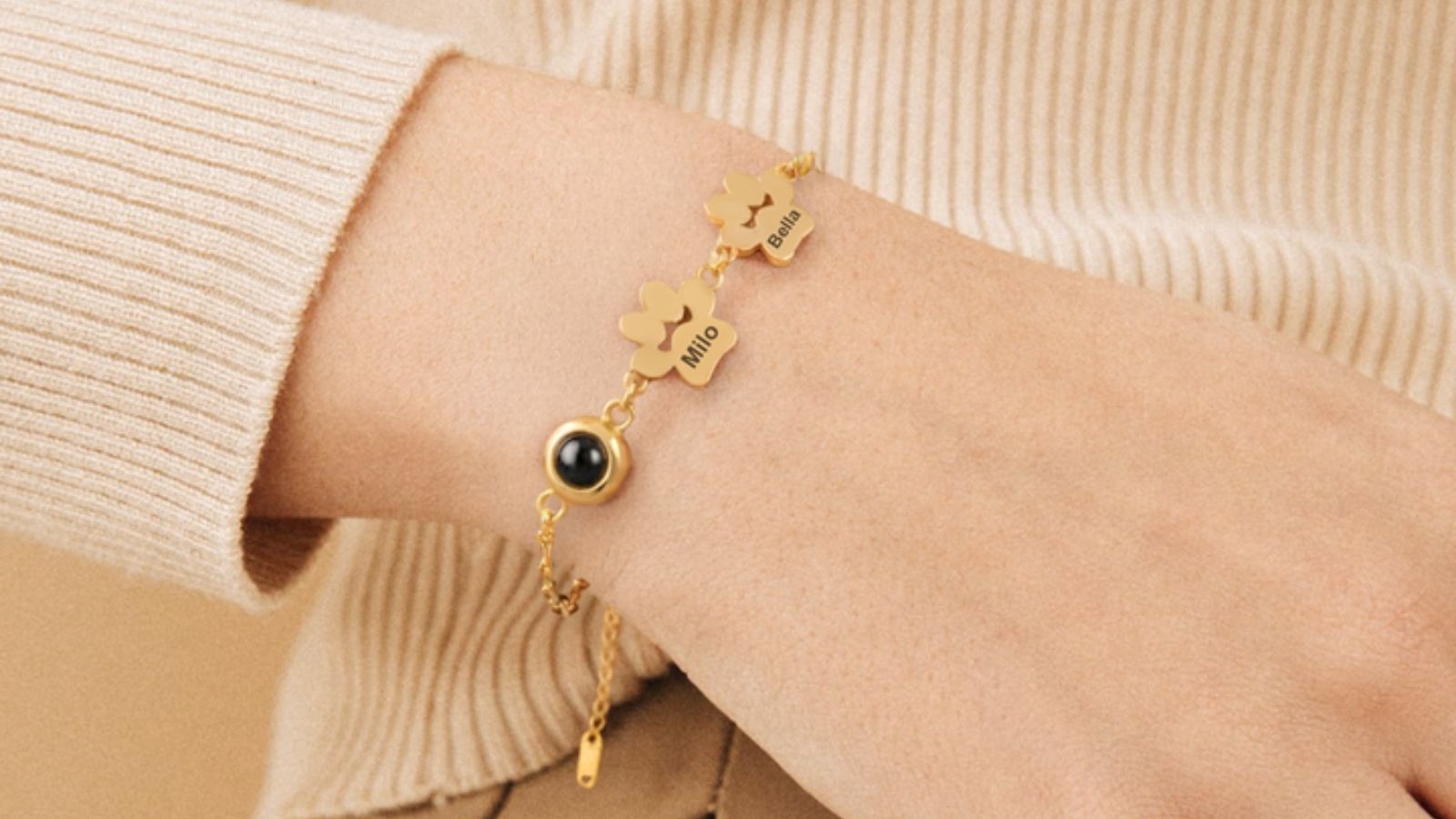
- Personalization: engravings, choice of materials or colors... each piece of jewelry becomes unique. This trend is reinforced by a growing demand for emotionally significant items. A 2023 survey revealed that 78% of buyers consider personalization a key criterion in their jewelry choice.
- Mix and match: combining multiple styles or materials within a single piece, or wearing jewelry from different collections to create an eclectic and modern style. This practice is particularly popular among influencers, as illustrated by the rise of the #MixAndMatchJewelry hashtags on Instagram.
- The return of pearls: reinvented to suit contemporary tastes, pearls are paired with asymmetrical designs or unexpected materials like leather or raw metal. Designers like Mikimoto have recently launched collections combining pearls and modernity, attracting a younger audience.
- These trends reflect the growing desire to own pieces that tell a personal story and adapt to both modern values and lifestyles.
To explore more styles, check out our spring/summer 2025 trends guide.
Handcrafted jewelry across the world: cultural inspirations
Jewelry craftsmanship often draws inspiration from cultural traditions around the world. Here are some emblematic examples:
- Berber jewelry (Morocco): these pieces, often in silver, are adorned with geometric engravings and colored stones like coral or amethyst. They tell stories of heritage and spiritual protection. A popular Berber legend recounts that jewelry was also used to transmit secret messages through coded patterns.
- Indian jewelry: rich in detail, Indian art stands out for its floral motifs and techniques like Kundan, which involves setting stones on a gold base. A famous anecdote recalls maharajas wearing diamond-encrusted necklaces to represent their wealth and power.
- Japanese goldsmithing: the minimalist elegance of Japanese creations is often paired with techniques like mokume-gane, a process that mimics wood grain. A fascinating story is that of samurai who used sword ornaments, now transformed into modern jewelry.
- Scandinavian creations: inspired by Nordic landscapes, these pieces favor streamlined design and the use of natural materials like wood and amber. In certain Viking legends, amber was considered the tears of goddesses, symbolizing eternity and protection.
Beyond their aesthetic beauty, these pieces of jewelry often carry symbols and stories specific to their regions of origin, creating a strong emotional bond with those who wear them.
A few designers to follow absolutely
“Creating a piece of jewelry means telling a story, but also respecting the nature that inspires us.” – Aurélie Bidermann
- Aurélie Bidermann : renowned for her nature-inspired jewelry, Aurélie combines tradition and boldness with eco-friendly materials.
- Pascale Monvoisin : her creations, blending raw stones and precious metals, exude authenticity.
- JEM Jewellery Ethically Minded: sustainable and committed fine jewelry.
- Alice Cicolini: a creative polymath. Author, curator, and jewelry designer. Known for her colorful designs and traditional techniques, such as Indian enameling.
Each creator brings a unique perspective to jewelry craftsmanship, reflecting cultural and personal influences.
“We believe in jewelry that has meaning, respectful of people and the environment.”
JEM Jewellery Ethically Minded
Handcrafted jewelry: a sustainable investment
Beyond their aesthetic value, handcrafted pieces represent an emotional and financial investment. Their custom manufacture guarantees superior quality, while their rarity makes them prized objects for collectors. Moreover, supporting local craftsmanship helps preserve endangered artistic trades.
Did you know that some handcrafted jewelry takes weeks or even months to make? This underscores their quality and unique character.
Handcrafted jewelry embodies much more than fashion accessories. They testify to a unique expertise, attention to detail, and a desire to consume differently. By choosing these unique pieces, consumers participate in promoting craftsmanship and sustainable creation. A trend that, far from being ephemeral, seems built to last.
To discover other inspiring ideas, explore our exclusive collections right now on Orzyla your reference in the world of jewelry and accessories.
Related tags
Comments
Comments are coming soon.