How to Clean Your Jewelry: Silver, Gold, Plated – The Method by Metal
Blackened silver, tarnished gold, fragile plated pieces: every metal has its own method. What works, what ruins them, and why toothpaste is a false good idea.
This article contains affiliate links: if you buy after clicking, Orzyla may earn a commission at no extra cost to you.
Aurelia
27 July 2026
A silver piece of jewelry that turns black is not dirty. It is oxidized.
The distinction changes everything, because it explains why scrubbing harder is useless, and why half of the circulating tips actually damage jewelry instead of saving it.
Here is what works, metal by metal, and what to avoid.
Why Silver Turns Black
Silver reacts to sulfur present in the air, perspiration, cosmetics, and certain foods. This reaction forms a thin layer of silver sulfide on the surface: this is what creates that grey, then black, veil.
It is not dirt. It is a chemical transformation of the metal itself.
Three practical consequences:
- Scrubbing is not enough. You must either dissolve the layer or reverse the chemical reaction.
- It always comes back. Jewelry worn every day will oxidize again. This is normal.
- Some jewelry turns black faster depending on the skin, medications taken, and region. Someone who perspires heavily will see their silver tarnish within a few weeks.
Good to know: the more you wear a silver piece of jewelry, the less it blackens. Friction against skin and clothing continuously polishes the surface. Jewelry forgotten in a box is what blackens the most.
Cleaning Silver: The Three Methods That Work
The gentle method, for simple tarnishing
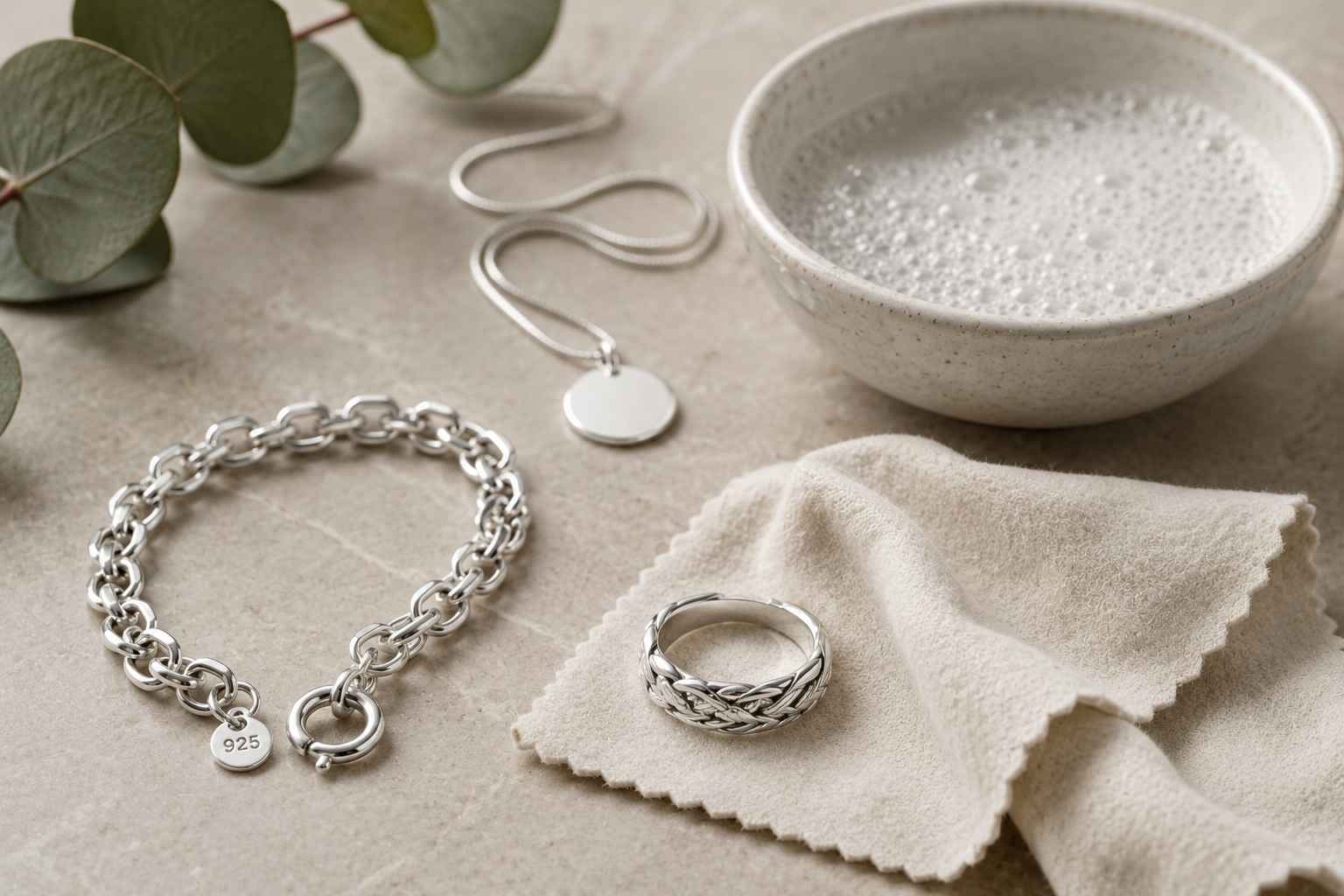
Lukewarm water, a drop of mild soap, a soft-bristled toothbrush. Scrub, rinse with clean water, and dry immediately with a soft cloth.
Drying matters just as much as washing: water left on silver accelerates oxidation.
Baking soda, for set-in blackening
Make a paste with baking soda and a little water. Apply with a soft cloth using circular motions. Rinse and dry.
Baking soda is mildly abrasive: it removes the oxidized layer. Reserve this for smooth pieces, and do not repeat too often, otherwise it will end up wearing down the metal.
The aluminum bath, for difficult cases
This is the most effective method, and the least known.
Line a container with aluminum foil, shiny side up. Place the jewelry on it. Pour very hot water and a tablespoon of baking soda over it. Let sit for two to three minutes. Rinse and dry.
What happens: the aluminum captures the sulfur and reverses the reaction. The blackness leaves without friction, and therefore without wearing down the metal. This is the only process that restores without abrasion.
Avoid on jewelry containing glued stones or pearls: the hot bath can dissolve the glue.
For a specific case, see also how to effectively clean a Pandora bracelet that has turned black.
False Good Ideas
Toothpaste. The most shared tip, and one of the worst. Toothpastes contain abrasives designed for tooth enamel, which is much harder than silver. Result: micro-scratches that are invisible at first, leading to a dull, matte appearance after a few uses.
White vinegar. It works, but it is an acid. On solid silver, a quick bath is fine. On plated jewelry, it attacks the precious metal layer. On a porous stone like turquoise or opal, it causes irreversible damage.
Commercial silver polishes. Effective on cutlery, but often too aggressive for fine jewelry, chains, and delicate settings.
Boiling water on stones. Thermal shock can crack a stone. Always use lukewarm water when there are settings.
Cleaning Gold
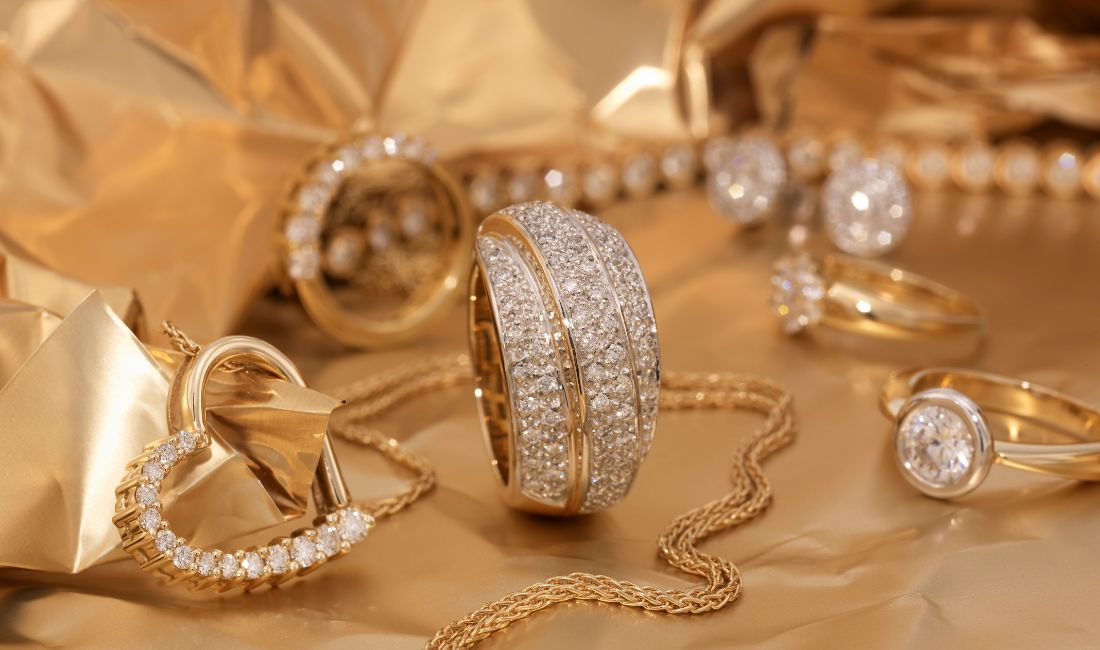
Gold does not oxidize. A gold piece of jewelry that looks dull is simply dirty: soap, cream, sebum, and dust accumulate in crevices and settings.
The method is therefore simpler: lukewarm water, mild soap, soft brush, rinse, dry. That is all.
Two details that matter:
White gold is rhodium-plated. This thin layer of rhodium gives it its white brilliance. It wears off over time, revealing an underlying yellow. No cleaning can correct this; the jewelry must be re-rhodium-plated by a jeweler. Count on doing this every two to three years for a daily-worn wedding band.
9-karat gold blackens slightly. It contains more copper than 18-karat gold, so it can tarnish slightly. Gentle cleaning is enough.
Cleaning Gold-Plated and Vermeil Jewelry
This is the most fragile metal, and the one most frequently damaged.
Gold-plated means a layer of a few microns of gold over a base metal. Vermeil is the same thing over solid silver. In both cases, the layer is thin: anything that rubs wears it down.
What to do: a slightly damp soft cloth, without soap if possible. Dry immediately.
What never to do: baking soda, vinegar, brushes, aluminum baths, silver products. Each of these actions strips away a bit of the gold layer. Repeat them, and the base metal will show through.
Plated jewelry has a lifespan. Treated well, it lasts for years. Cleaned poorly, it reveals itself in a few months.
The Case of Stones
The rule: clean the metal, not the stone.
Stones fall into two families.
Hard and non-porous (diamond, sapphire, ruby, quartz): they withstand lukewarm water and mild soap without issue.
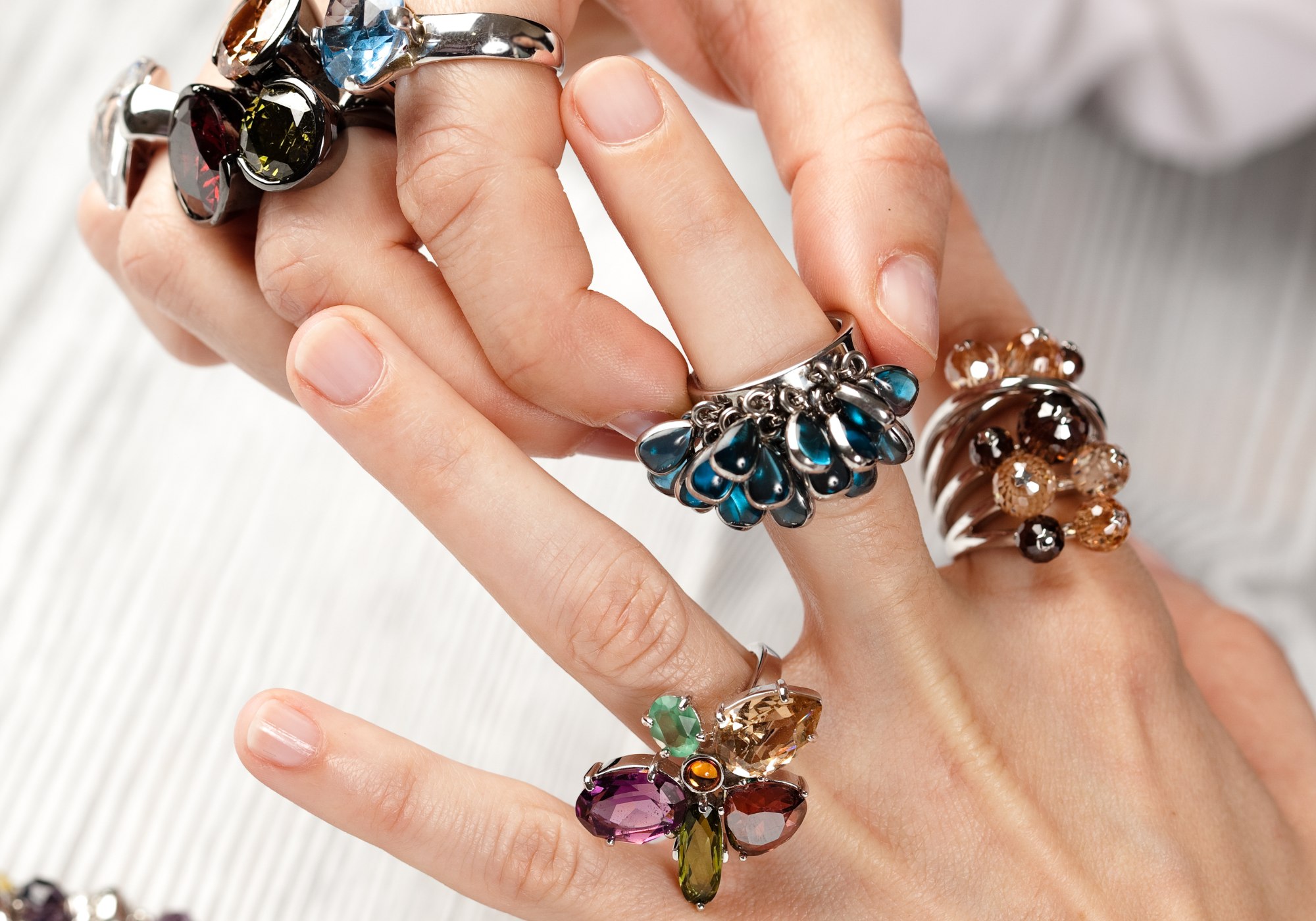
Soft or porous (pearl, opal, turquoise, malachite, amber, coral): they absorb liquids and scratch easily. A simple damp cloth, nothing else. Never a bath, never a product.
Pearls deserve a special mention. Their nacre is fragile and reacts poorly to cosmetics. The jewelers' rule: pearls are put on last after perfume and cream, and taken off first in the evening. A wipe with a soft cloth after each wear is enough.
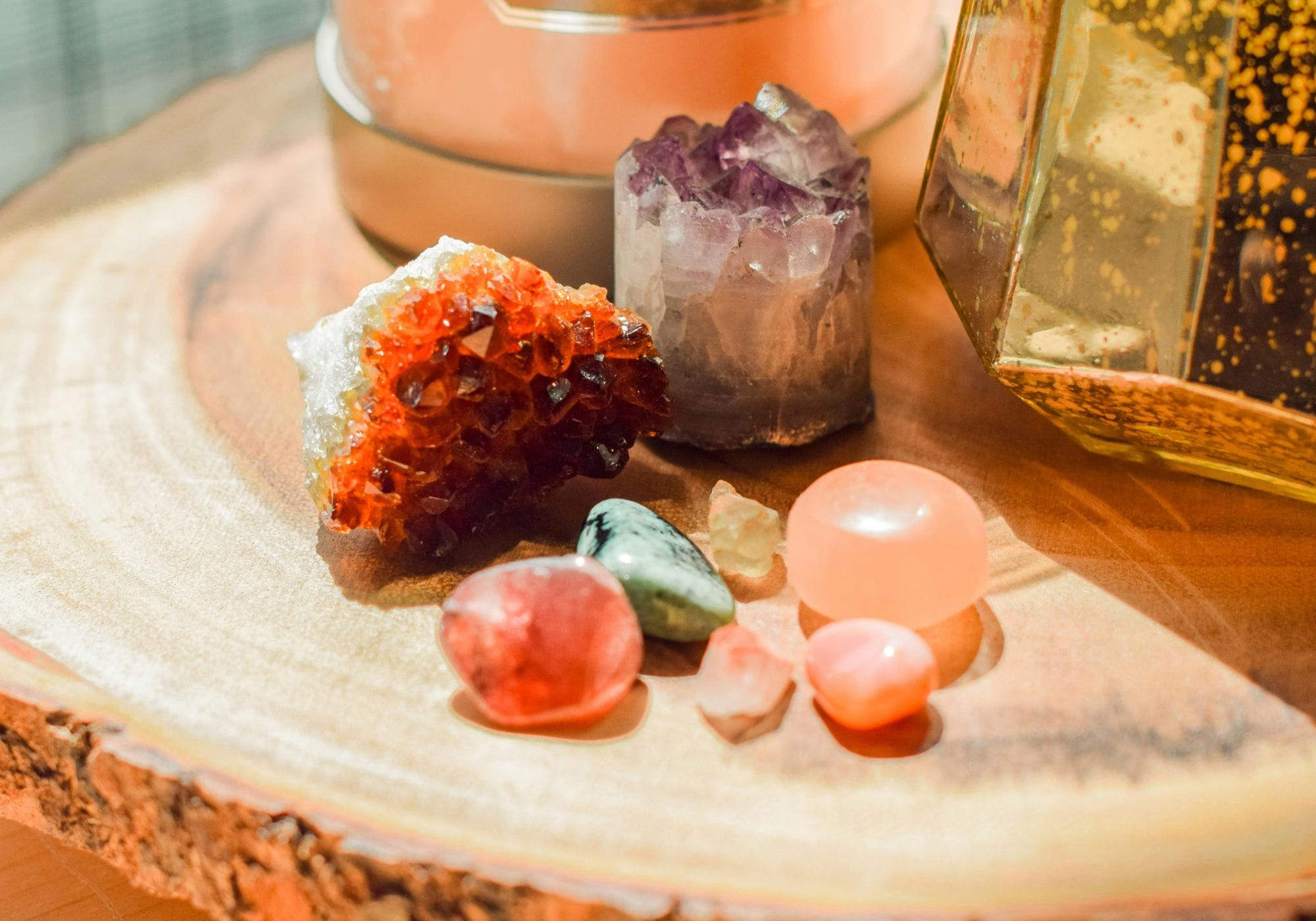
Energetic purification of jewelry.
Preventing Tarnishing From Returning
Cleaning is repairing. Here is how to space out your cleanings.
Store away from air. A closed zipper pouch dramatically slows down silver oxidation. An open box on a dresser is the absolute worst place.
Remove your jewelry before showering, swimming, working out, or cleaning. Chlorine, household products, and perspiration are the three main enemies.
Put them on last. Perfume, hairspray, cream: all contain compounds that tarnish. Get dressed, apply makeup, put on perfume, and then put on your jewelry.
Wear them. It is counterintuitive, but a silver piece of jewelry worn regularly stays shinier than one stored away.
To renew or complete your collection, you will find silver jewelry and gold jewelry at Histoire d'Or and Marc Orian, as well as Agatha jewelry in brass plated with 750/1000e gold and/or genuine silver.
When to Visit a Jeweler
Certain situations go beyond home cleaning:
- A stone that is loose in its setting
- A chain that has stretched or whose link has broken
- White gold that has turned yellow (re-rhodium-plating)
- An antique, inherited, or high-value piece of jewelry
- A clogged pave setting that is impossible to reach without dismantling
Most jewelers offer ultrasonic cleaning, often free for pieces purchased from them. It is well worth the trip once a year for jewelry worn every day.
In a Word
Silver blackens because it reacts, not because it is dirty: the aluminum bath restores it without wearing it down. Gold gets dirty but does not oxidize, so mild soap is enough. Plated pieces should barely be cleaned; they must be handled with care. And toothpaste, despite what you read everywhere, scratches everything it touches.
Stay Connected
To never miss any of our jewelry, fashion, and accessory trends, guides, and news, follow Orzyla on Facebook, X, and Instagram.
Every month, discover our new arrivals and advice directly in your inbox by subscribing to the newsletter.
Related tags
Comments
Comments are coming soon.