Necklace Lengths: Choker, Sautoir, Which One to Choose According to Your Body Shape
Choker, princess, matinée, sautoir: necklace lengths explained, and how to choose the right one according to your body shape and neckline.
This article contains affiliate links: if you buy after clicking, Orzyla may earn a commission at no extra cost to you.
Aurelia
21 August 2026
A necklace can transform a silhouette, provided you choose the right length. Too short, it chokes; too long, it gets lost. From the choker to the sautoir, each length has its own style, occasions, and flatters a different body shape.
“The right necklace length is the one that draws the eye exactly where you want it to go.”
Here is an explanation of necklace lengths, from shortest to longest, and how to choose yours according to your neck, neckline, and style.
Necklace Lengths, from Shortest to Longest
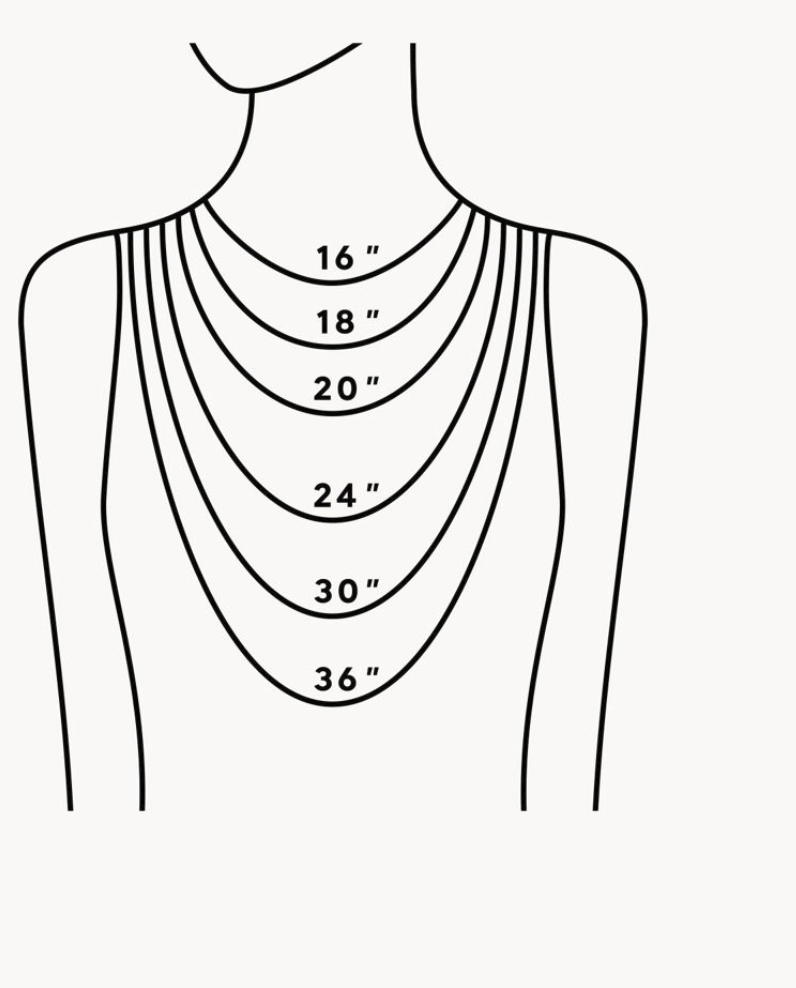
Each length has a name and corresponds to how it falls on the neck or bust.
The choker necklace, around 35 to 40 cm (14 to 16 inches), is worn snugly at the base of the neck. It is the shortest length, sometimes edgy with leather, sometimes classic and bourgeois in pearls.
The princess necklace, around 42 to 45 cm (17 to 18 inches), falls just below the throat, right at the start of the bust. It is the most common and versatile length, typical of pendant chains.
The matinée necklace, around 50 to 55 cm (20 to 22 inches), extends down to the top of the neckline. Rarer and slightly vintage, it beautifully complements a collar.
The opera necklace, around 70 to 85 cm (28 to 34 inches), reaches the chest. Elegant and dressy, it is worn long or doubled into two strands.
The sautoir necklace, beyond 90 cm (35+ inches), falls below the chest. It is the longest, timeless, worn alone, knotted, or wrapped in multiple turns.
Length Chart
| Name | Length | Where it falls |
|---|---|---|
| Choker | 40 cm (16 in) | Base of the neck |
| Princess | 45 cm (18 in) | Below the throat |
| Matinée | 50 cm (20 in) | Top of the neckline |
| Opera | 60 cm (24 in) | On the chest |
| Long | 70 to 80 cm (28-30 in) | Below the chest |
| Sautoir | Between 81 and 90 cm (36 in) and + | At the bust level, can be doubled |
These measurements correspond to the total length of the necklace, clasp included. One inch equals approximately 2.5 cm.
Which Length According to Your Body Shape
A necklace is chosen first and foremost according to the neck and frame to balance the silhouette.
A long and slender neck can carry anything and especially highlights the choker, which emphasizes this line. A short neck or a strong frame benefits from avoiding the choker, which shortens the look, and preferring princess or matinée lengths, which elongate.
Petite figures should avoid overly heavy sautoirs, which weigh them down, and instead favor short to medium lengths. Tall figures effortlessly pull off long necklaces and sautoirs, which maintain their proportions.
The rule of balance: the lower the necklace hangs, the more it elongates the silhouette. The shorter it is, the more it draws the eye toward the face.
Which Length According to Your Neckline
The necklace also pairs with the garment's neckline to avoid any awkward clashes.
With a crew neck or a sweater, wear a longer necklace that falls over the fabric, or a choker right over top. With a V-neck, follow the line of the neckline with a princess or matinée length pendant. With a boat neck or off-the-shoulder look, chokers and short lengths work best. With a plunging neckline, a long necklace or a sautoir beautifully accompanies the opening.
The idea is simple: the necklace hugs or extends the line of the garment, never colliding with the collar.
How to Measure a Necklace Length
Length charts indicate the total measurement of the necklace, clasp included, in centimeters or inches (one inch equals 2.5 cm). Two simple methods help find the right length.
Measure a necklace you already love. Lay the necklace open and completely flat on a table, then measure the distance from end to end with a ruler, from the outer edge of the clasp to the other extremity. This gives the total length, to be compared with the chart.
Measure directly on yourself. In front of a mirror, place a soft measuring tape, a piece of string, or a ribbon around your neck, joining the two ends at the exact spot where you want the necklace to fall. Note the measured length. For a pendant necklace, remember to add the height of the pendant, which causes the jewelry to sit a bit lower than the chain alone.
This reference point prevents unpleasant surprises when purchasing, especially online where you cannot try the piece on.
How to Wear Multiple Lengths Together
Layering is an enduring trend, and it relies entirely on lengths.
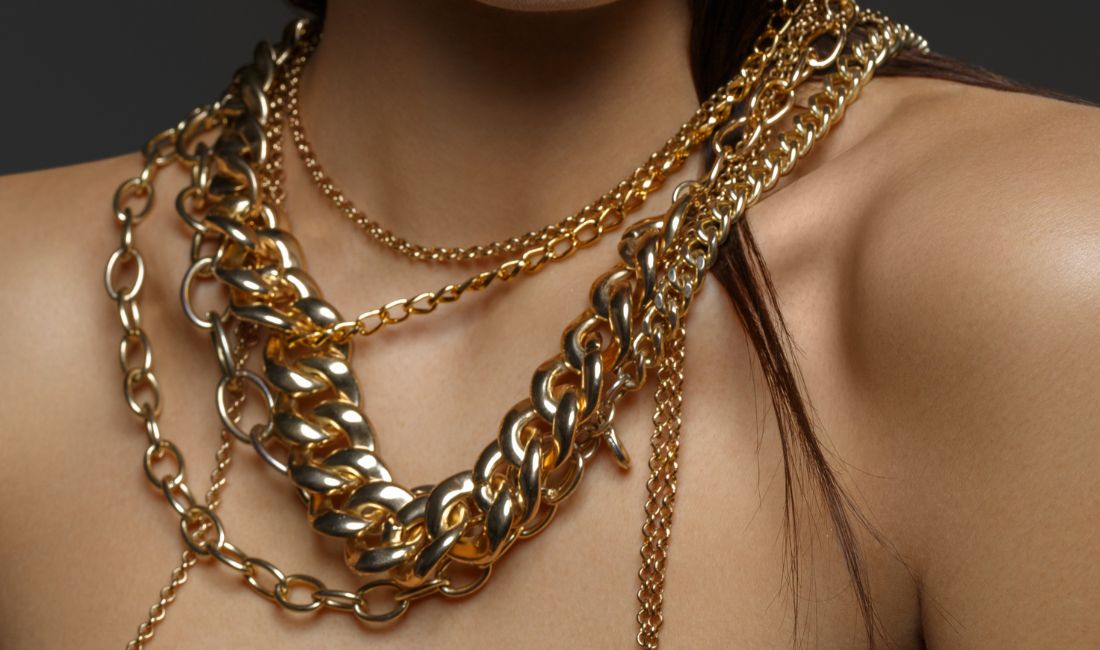
Combine two or three necklaces of different lengths—for instance, a choker, a princess chain, and a matinée pendant—for a harmonious gradient. The gap between each length prevents them from tangling and adds dimension.
Maintain consistency in metal or style to pull the look together, and mix textures—such as a fine chain and a broader link—for contrast. Multi-length necklaces are easily found at Histoire d’Or and Marc Orian, in both chain and pendant styles, to compose your own layered look.
Choosing Your Necklace Beyond Length
Length isn't everything; a few additional points complete the choice.
The metal should be chosen according to your skin tone: warm gold for golden skin, cool silver for fair skin. The pendant adds meaning and draws the eye to the right height. The link style, fine or chunky, sets the tone as either subtle or bold.
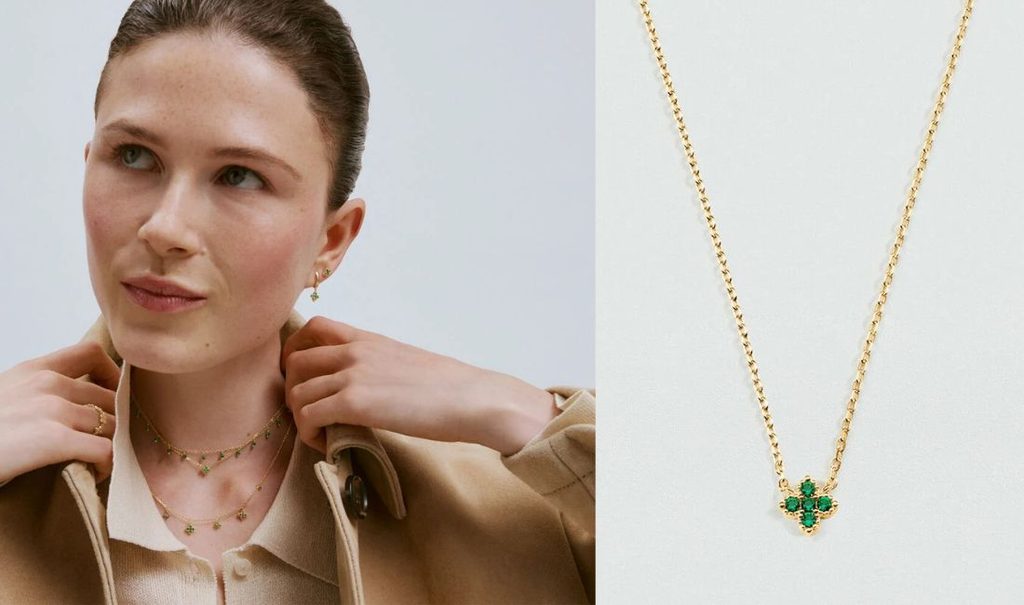
For a first piece of jewelry or a gift, the princess-length pendant remains the foolproof choice, as it flatters all body types and suits any occasion. At Agatha, you will also find colorful and costume necklaces to play with lengths on a budget. And as for pearl necklaces, whose comeback is undeniable, we have detailed how to wear them in our dedicated article on the pearl necklace.
In a Word
From choker to sautoir, each necklace length has its own style and flatters a specific body type. A long neck carries a choker, a short neck prefers lengthening lengths, and petite figures steer clear of heavy sautoirs. The necklace also harmonizes with the neckline and can be layered in multiple lengths for a stylish effect. The princess pendant length remains the safest bet for beginners or gifting.
Stay Connected with Orzyla!
To never miss any of our trends, guides, and tips on jewelry, fashion, and accessories, follow Orzyla on Facebook, X, and Instagram.
Frequently Asked Questions
What are the different necklace lengths? The choker (35-40 cm) at the base of the neck, the princess (42-45 cm) below the throat, the matinée (50-55 cm) at the top of the neckline, the opera (70-85 cm) at the chest, and the sautoir (90 cm and above) below the chest.
Which necklace length for a short neck? Avoid chokers, which shorten the neck, and instead choose princess or matinée lengths, which elongate the neckline. Necklaces that hang lower create an elongating effect for the entire silhouette.
Which necklace length to choose for a neckline? On a V-neck, a princess or matinée pendant follows the line. On a boat neck or bare shoulders, a choker works wonderfully. On a plunging neckline, a long necklace or a sautoir complements the opening.
How to wear multiple necklaces together? Layer two or three necklaces of different lengths (choker, princess, matinée) for a gradient effect. The spacing between lengths prevents tangling. Keep a consistent metal or style.
Which necklace length to choose as a gift? The princess length (42-45 cm) with a pendant is the safest bet: it suits all body types, pairs with most necklines, and can be worn for any occasion.
Related tags
Comments
Comments are coming soon.