Swarovski: The History and Innovation Behind the Legendary Crystal
“Swarovski: The fascinating story behind the world's most famous crystal”
Aurelia
31 January 2025
The fascinating story of Daniel Swarovski. Founded in 1895 by Daniel Swarovski, the Austrian company is today a global benchmark in the world of crystal. Its founder, born in 1862 in Bohemia—a region renowned for its glassmaking craftsmanship—grew up in his father's workshop, where he acquired exceptional expertise.
“Since 1895, Swarovski has been illuminating the world by transforming crystal into a modern expression of luxury and creativity.”
The fascinating story of Daniel Swarovski
Founded in 1895 by Daniel Swarovski, the Austrian company is today a global benchmark in the world of crystal. Its founder, born in 1862 in Bohemia, a region renowned for its glassmaking craftsmanship, grew up in his father's workshop, where he acquired exceptional expertise. Driven by a passion for precision and light, he decided to innovate by perfecting crystal cutting. About Swarovski.
The revolutionary invention of cut crystal
In 1892, Daniel Swarovski filed a patent for an electric cutting machine, which enabled crystal to be cut with unparalleled finesse. This technological breakthrough marked a turning point in the industry and offered incomparable brilliance to the pieces produced. To exploit his invention, he partnered with Armand Kosmann and Franz Weis and founded the company A. Kosmann, D. Swarovski & Co. in 1895, later renamed simply Swarovski.
The strategic choice of Wattens, Austria
The Swarovski factory was established in Wattens, Austria, a key location due to the availability of hydroelectric power, which is necessary to run the cutting machines. This choice allowed Swarovski to industrialize its production while guaranteeing artisanal quality, thus preserving the excellence of its know-how.
Materials and craftsmanship: between tradition and innovation
Viking artisans used a variety of materials to create their jewelry, notably gold, silver, bronze, and sometimes precious or semi-precious stones. Each piece was meticulously crafted, demonstrating remarkable artisanal skill. Manufacturing techniques included casting, engraving, and filigree, testifying to advanced mastery of metals and meticulous attention to detail.
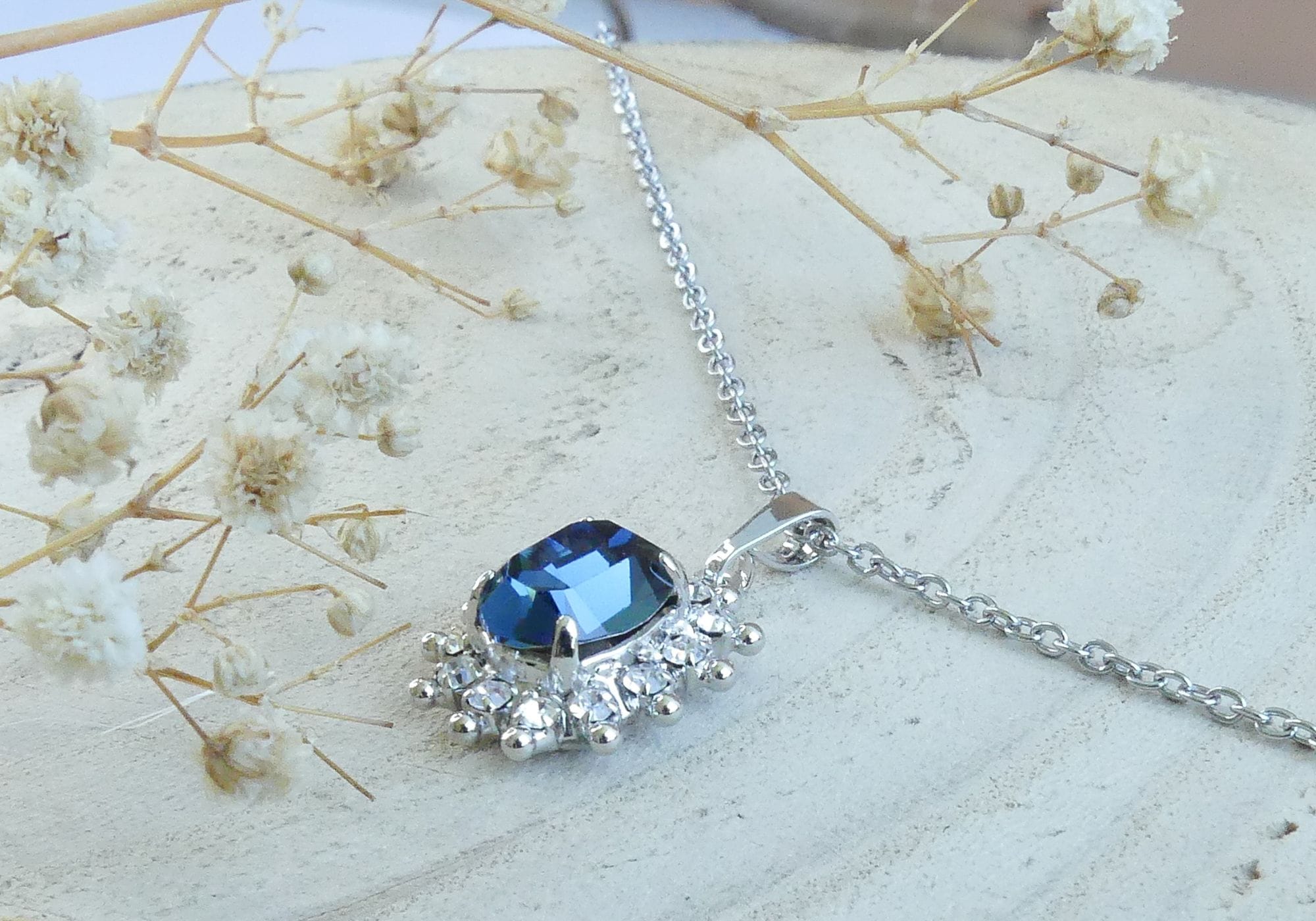
The evolution of materials in modern fine jewelry, inspired by Viking styles, demonstrates an adaptation to new technologies and innovations in the sector. Today, brands such as Swarovski use innovative materials like ReCreated™ Crystals, a sustainable alternative to traditional crystals. In addition, materials such as resin, acetate, and advanced metal alloys are used to offer pieces that are both lightweight and durable.
Finishes have also evolved, incorporating modern techniques such as gold-tone plating, rhodium plating, or rose gold-tone plating, which mimic the brilliance and nobility of precious metals while offering enhanced durability. This fusion between ancient craftsmanship and contemporary innovations allows Viking-inspired jewelry to be reinterpreted in styles suited to current trends while retaining its historical and symbolic essence.
➡️ The latest Swarovski collections
Swarovski innovations: beyond traditional crystal
Swarovski continues to innovate, introducing new materials and technologies to meet the expectations of the luxury and fashion market. Among its latest advancements:
- ReCreated™ Crystals: Crystals crafted from recycled materials for more environmentally friendly production.
- Acetate and resin: Used in contemporary collections for bolder and lighter designs.
- Metallic and lacquered finishes: Allowing a diversity of colors and textures to adapt to current trends.
A heritage of prestige and iconic collaborations
Swarovski's influence extends far beyond the world of jewelry. The brand has collaborated with renowned designers such as Christian Dior, Alexander McQueen, and Balenciaga, and its crystals adorn the haute couture gowns of the greatest fashion shows. Swarovski is also present in interior design, cinema, and decoration, with iconic pieces such as the chandelier at the Metropolitan Opera in New York.
Related topics:
A sustainable commitment and responsible innovation
Mindful of environmental challenges, Swarovski is committed to reducing its ecological footprint. In addition to introducing ReCreated™ Crystals, the brand adopts more sustainable practices in water and energy management while promoting a responsible approach across its supply chains.
Swarovski today: a global crystal giant
With over a century of history, Swarovski continues to be a brand synonymous with luxury, innovation, and unparalleled brilliance. From jewelry collections to decorative objects, fashion, and optics, the company continually reinvents the art of crystal to captivate an increasingly demanding clientele.
Here are impactful links to learn more about Swarovski
➡️ Official Swarovski Website
➡️ The latest Swarovski collections
➡️ Swarovski's sustainability commitments
Stay connected with Orzyla!
Follow all upcoming events, trade shows, exhibitions, fashion, jewelry trends, beauty, and accessories on Orzyla.com — the media outlet that reveals talents, trends, and sustainable innovations.
Related tags
Comments
Comments are coming soon.