The Pros and Cons of Lab-Grown Diamonds
The primary advantages and disadvantages of manufacturing lab-grown diamonds
Aurelia
05 December 2024
"The lab-grown diamond is not an imitation: it is a mastered creation, suspended between science and conscience."
But what exactly is a synthetic diamond?
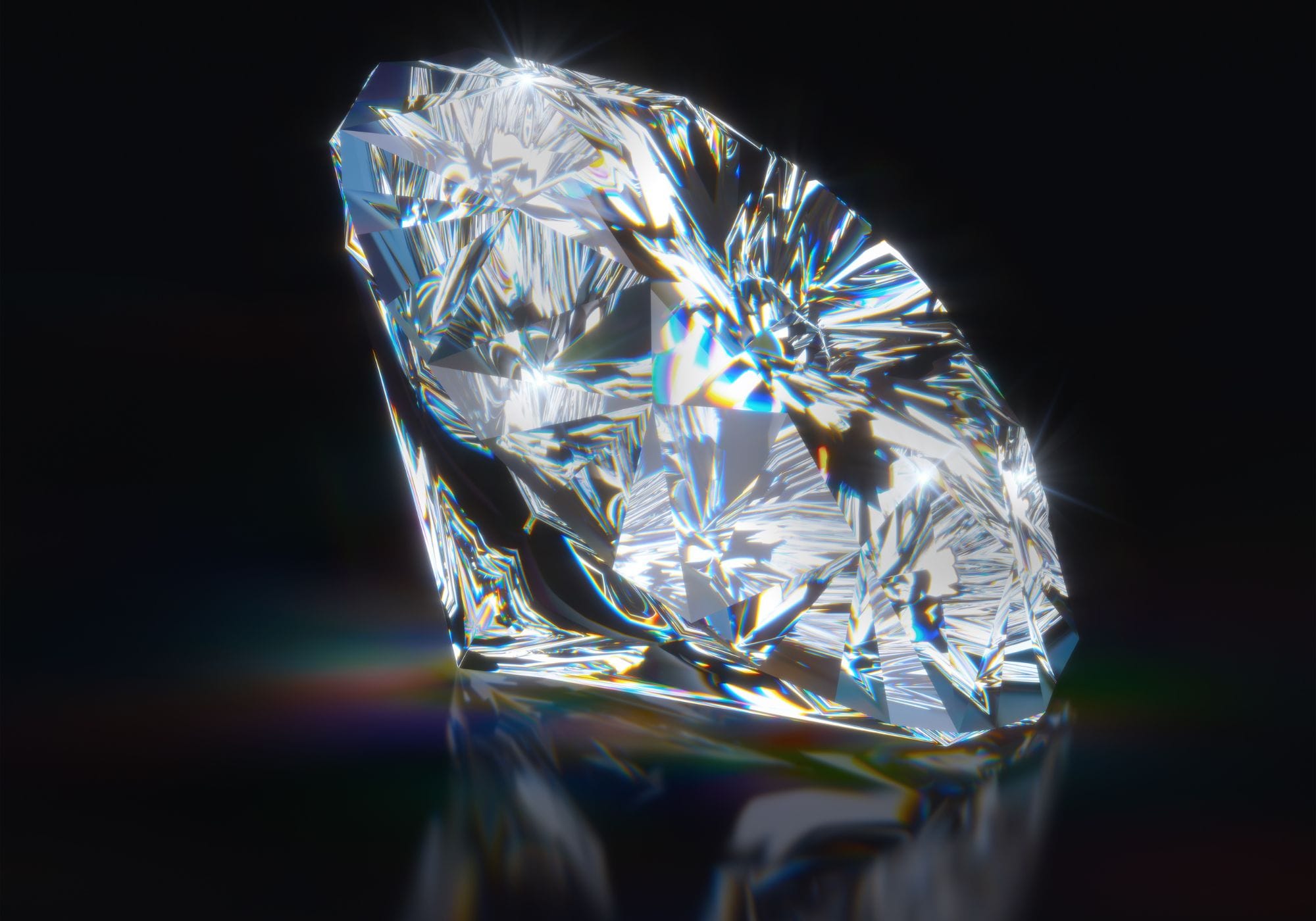
A synthetic diamond is an exact replica of a pure diamond.
Synthetic diamonds, much like natural diamonds, are composed primarily of carbon at over 99.95%. The difference lies in their formation: natural diamonds are created over billions of years within the Earth's mantle, whereas synthetic diamonds are manufactured in a laboratory over a much shorter period, under controlled conditions. Despite this difference in formation, synthetic diamonds possess the exact same chemical, physical, and optical properties as natural diamonds, making them practically indistinguishable to the naked eye. Only specialized instruments can tell them apart.
The strengths of synthetic diamonds
Culturing diamonds in a lab is often presented as a less polluting alternative to open-pit mining; however, it does require a considerable amount of energy.
Durability and Resistance
Synthetic diamonds are just as hard and resistant as natural diamonds, with a hardness of 10 on the Mohs scale. This means they are extremely resistant to scratches and abrasion, making them suitable for everyday wear in jewelry.
Traceability and Transparency
Being produced in a laboratory, synthetic diamonds offer total traceability of their origin and journey. This guarantees enhanced transparency for consumers who wish to know the ethical provenance of their jewelry.
Ecological
Choosing a synthetic diamond means respecting the environment.
Affordable Pricing
Synthetic diamonds are generally less expensive than their natural counterparts. Their laboratory production helps reduce costs associated with mining and processing, making them more accessible to a broader range of consumers.
Diversity of Colors and Shapes
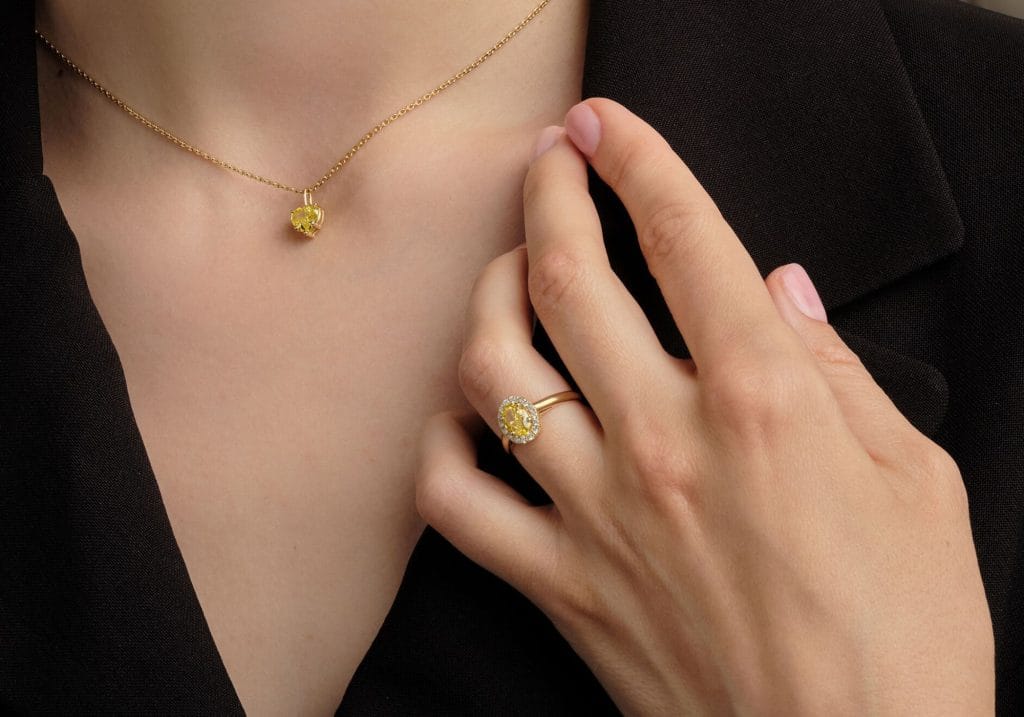
Synthetic diamonds offer a more varied range of colors and shapes than natural diamonds. They can be produced in a wide palette of colors, including rare and fancy shades, and can be cut into a variety of shapes and styles to suit customer preferences.
The disadvantages of synthetic diamonds
Social perception.
Despite their intrinsic qualities, synthetic diamonds are sometimes perceived as less precious or authentic than natural diamonds. Some consumers attach great importance to the symbolic and emotional aspect of natural diamonds extracted from the earth.
Potential Depreciation
Although synthetic diamonds are durable, their market value may be less stable than that of natural diamonds. Fluctuations in supply and demand, as well as technological advancements in synthetic diamond production, can influence their long-term value.
The Complexity of Market Perception
The presence of synthetic diamonds on the market can sometimes create confusion for consumers seeking to distinguish natural diamonds from synthetic ones. Adequate education and transparent communication are essential to help consumers make informed decisions when purchasing jewelry. Despite these drawbacks, synthetic diamonds continue to gain popularity as a sustainable and ethical alternative to natural diamonds, offering an attractive option for consumers mindful of the origin and environmental impact of their jewelry.
The Future of Synthetic Diamonds
As the demand for synthetic diamonds continues to grow, the fine jewelry industry is increasingly exploring the possibilities offered by these lab-created gems. Many emerging high-jewelry brands now specialize in creating pieces that showcase synthetic diamonds, capitalizing on their durability, traceability, and affordability.
Some industry experts predict that technological advancements in synthetic diamond manufacturing could lead to new innovations and applications in other sectors. For instance, synthetic diamonds could be utilized in fields such as electronics, medicine, and even the space industry due to their exceptional thermal and electrical conductivity properties.
Synthetic diamonds represent a significant evolution in the fine jewelry industry, offering consumers an attractive and ethical alternative to natural diamonds. However, it is important to recognize that both types of diamonds have their place on the market and that the choice between them depends on each consumer's individual preferences, values, and ethical considerations.
DIAM CONCEPT Video
French creator of exceptional diamonds
Related tags
Comments
Comments are coming soon.