How much do the French spend on a piece of jewelry?
How much do the French spend on average for a piece of jewelry?
Aurelia
27 April 2025
« Jewelry is not merely an ornament; for the French, it embodies a gesture of love, a tradition, and a personal investment. »
The French have a traditional attachment to jewelry, which they purchase for various occasions. According to a study conducted by Opinion Way on purchasing trends in fine jewelry and watchmaking, the average budget of the French for acquiring a piece of jewelry amounts to €164. However, the survey reveals differences between the spending of women and men. The former reportedly invest around €100 per piece, while the latter spend on average up to €235, highlighting a disparity that should be interpreted with nuance. For special occasions, such as engagements and weddings, the budget allocated to jewelry can rapidly exceed 1,000 euros.
Detailed statistics on French spending
A recent study revealed that women spend an average of 100 to 150 euros per piece of jewelry, whereas men, although purchasing less frequently, allocate about 250 euros per item. Furthermore, 35% of French people buy jewelry for special occasions, with a peak during festive periods such as Christmas and Valentine’s Day. Regarding jewelry categories, necklaces and earrings represent the largest expenditures, followed by rings and bracelets.
2024 purchasing trends: timeless and personalized jewelry
In 2024, the trend toward purchasing personalized jewelry continues to grow. An increasing number of consumers seek to stand out with unique creations, often custom-made or crafted from ethical materials. French jewelry brands, particularly those focusing on sustainability, are experiencing a distinct boom, capitalizing on the demand for pieces that are both symbolic and environmentally friendly. This trend reflects a need for authenticity and the transmission of values through jewelry.
An analysis of global jewelry trends
On a global scale, current trends include a growing interest in sustainable and ethical jewelry, with increased demand for recycled materials and responsible manufacturing practices. Influencers and celebrities play a major role in promoting these trends, particularly via social media, where they highlight brands that adopt sustainable practices. In addition, the Asian market, especially China, continues to exert a growing influence on global trends, introducing innovative styles and contemporary designs that also impact the French market.
Comparison between men and women
Men and women approach the purchase of jewelry differently. Women, who are often more frequent buyers of jewelry, invest about 100 to 150 euros per piece, while men, although purchasing less often, tend to commit larger sums, averaging 250 euros per item. This difference can be explained by the fact that men generally buy jewelry for special occasions, such as gifts or major celebrations.
Jewelry and the younger generations
The younger generations continue to drive the market. According to a study conducted in 2023-2024, nearly 70% of 18-34 year-olds buy jewelry, often influenced by social media trends, designer collaborations, and the emergence of local brands. Young people are also more inclined to favor eco-responsible jewelry made from recycled materials or derived from ethical practices.
The impact of the pandemic on the jewelry sector
In 2020, the COVID-19 pandemic marked a turning point in the jewelry sector, with a notable decline in in-store sales, offset by a sharp increase in online sales. Online jewelry sales saw a 27% growth in 2020, and this trend has been confirmed in the years that followed. Today, although in-store sales are recovering, nearly 15% of jewelry transactions take place online, primarily for accessible fashion pieces.
The rise of remote selling
With the boom in e-commerce, remote selling is establishing itself as a major trend in the jewelry sector. In 2024-2025, jewelry purchases via online platforms have experienced exponential growth, responding to the increasing demand for convenience and accessibility. Consumers appreciate the ability to access diverse collections without traveling, while benefiting from services such as virtual try-ons, return guarantees, and certificates of authenticity.
Marketplaces and specialized online stores also allow buyers to compare prices and consult customer reviews, strengthening confidence in remote purchasing. Despite everything, the need to touch and try on jewelry before purchase remains crucial for certain customer segments. This is why click-and-collect services or the option to easily return products have reinforced the merger between physical and digital retail.
Remote selling also benefits custom-made jewelry. Buyers can design their unique pieces directly online, using interactive tools that allow them to personalize every detail, from materials to gemstones.
In 2024-2025, this dynamic is expected to continue, particularly with the rise of innovative platforms and immersive technologies, such as augmented reality, which make the online shopping experience even more engaging and reliable.
Why buy jewelry in 2024-2025?
Beyond traditional occasions such as weddings, birthdays, or religious holidays, the French are increasingly buying jewelry for themselves, often as an act of personal pleasure or to enhance their style. This self-gifting trend is reinforced by easier access to online sales platforms, which offer an expanded range and regular promotions.
The return of minimalism
One of the major trends of 2024 is the return of minimalist jewelry, featuring streamlined, discreet, yet exceptionally elegant pieces. This movement is part of a desire for simplicity and sustainability, where each piece is carefully chosen for its quality and timeless design. Gold or silver jewelry combined with geometric lines dominates the market, appealing to a clientele mindful of fashion and authenticity.
Luxury jewelry and high jewelry: a growing niche
The luxury jewelry sector also remains a pillar of the French jewelry economy. Major houses, such as Cartier and Boucheron, continue to attract an international clientele with exclusive collections. In 2024, these brands are further integrating new technologies into their creative processes, offering connected jewelry or highly customizable pieces through digital tools. This market segment displays stable growth, particularly in Asia and the Middle East.
Gemstones: a safe investment
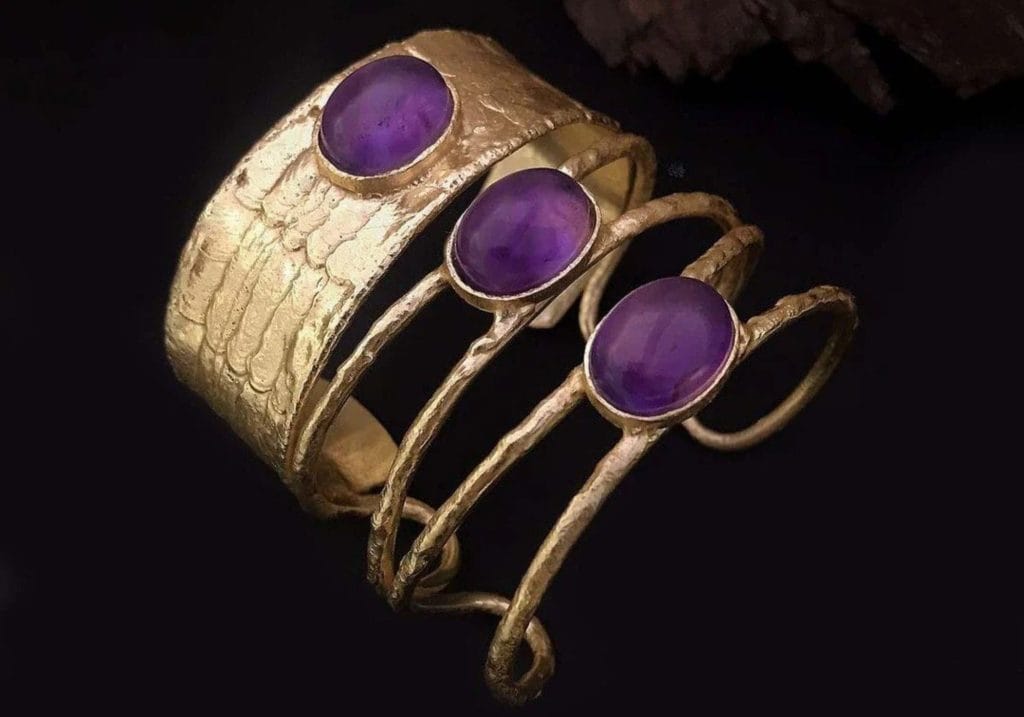
In 2024-2025, precious or semi-precious stones (diamonds, sapphires, emeralds) continue to be prized, especially for engagement rings and high jewelry pieces. The French, attached to the symbolism of these stones, are increasingly concerned about their provenance. Thus, jewelry using certified and ethical stones is gaining popularity, responding to a growing demand for transparent and responsible products.
Seasonal purchases and holidays
Periods such as Christmas, Valentine’s Day, or Mother’s Day remain key moments for jewelry sales in France. Approximately 35% of French people buy jewelry as gifts, and this figure increases significantly during these holidays. For Valentine’s Day, for instance, there is a surge in symbolic jewelry such as heart pendants or engraved rings.
The second-hand and resale market
The second-hand jewelry market continues to grow in France, fueled by a quest for authenticity and sustainability. Online resale platforms and jewelry stores specializing in vintage pieces are seeing their popularity rise, particularly among young adults and collectors. Second-hand jewelry, often less expensive and rich in history, appeals to an audience looking for unique and eco-responsible pieces.
A focus on innovative French brands
French brands stand out for their creativity and ability to innovate. Designers such as Swarovski® and Les Néréides offer collections that blend tradition and modernity while integrating sustainability values. Additionally, new brands are emerging, such as A.P.C., offering streamlined designs and a commitment to responsible production practices. The new collections focus on unique and customizable designs, allowing customers to express their individuality while respecting ethical standards.
The future of jewelry in France
For 2025, experts predict that the jewelry market will continue to evolve toward greater personalization and environmental responsibility. Technological innovations, such as 3D printing and recycled materials, are expected to play a growing role in jewelry creation. Consumers will remain attentive to material quality and the social and environmental impact of their purchases.
AI, or Craftsmanship Innovation (LiA in French), is emerging as a key player in this landscape. By emphasizing local craftsmanship and custom creation, LiA fits perfectly into this dynamic. Brands that adopt ethical and sustainable practices while promoting artisan expertise should not only meet growing consumer demand but also redefine sector standards.
At the same time, artificial intelligence (AI) plays a growing role in optimizing design and sales processes. It allows creators to customize jewelry according to customer preferences by analyzing data on market trends and purchasing behavior. AI-based technologies also facilitate inventory management and the online customer experience by offering tailored recommendations and personalization options.
The rise of platforms like LiA, connecting artisans with consumers, and the integration of artificial intelligence into the sector, mark a new era for French jewelry. This landscape is henceforth centered on transparency, authenticity, and commitment to sustainable values.
Thus, the future of jewelry in France looks promising, combining tradition and modernity, and creating a space where craftsmanship and technology meet to offer unique and responsible pieces of jewelry.
Related tags
Comments
Comments are coming soon.